Blog
Throwing a cast net should not feel complicated. With the right approach, even a first-time cast net throw can open clean and land exactly where you want it. The easiest way to throw a cast net is built on balance, timing, and the use of equipment designed to perform in real fishing conditions. When anglers struggle, it is usually because of uneven loading, rushed motion, or using a net that does not match their bait and water depth.
At Fitec, we build gear for anglers who rely on live bait every time they head out. Our nets are designed for proper weight distribution, reinforced durability, and consistent openings in both saltwater and freshwater environments. From inshore flats to docks and piers, serious fishermen trust our nets because they hold up and perform the way they should.
In this piece, we will break down the simplest method for throwing a cast net, focusing on the easy setup, proper hand placement, and smooth release that help beginners succeed on their very first try. You will learn how to avoid common mistakes that cause poor opens, how to match your motion to the net’s design, and how small adjustments can dramatically improve your results.
Key Takeaways:
- Proper Setup Matters: Balanced loading and smooth rotation are more important than throwing hard.
- Gear Impacts Performance: Mesh size, weight, and construction affect how easily a net opens and sinks.
- Practice Builds Consistency: Repetition with the right technique leads to cleaner spreads and better bait capture.
Why Throwing A Cast Net Feels Hard The First Time
Throwing a cast net looks simple when you watch someone experienced do it. The net opens wide, lands flat, and sinks quickly over bait. During a first-time cast net throw, small setup mistakes make a big difference, and many anglers try to force an easy cast net throw instead of focusing on control and balance.
One of the biggest challenges is not fully understanding how to open a cast net before the throw even begins. If the lead line is uneven or twisted while loading, the net cannot rotate properly in the air. Many anglers searching for how to throw a cast net for beginners overlook preparation, but a clean setup is what allows the net to spread correctly once released.
Throwing a cast net can also feel unnatural at first because it relies on timing and smooth rotation rather than strength. With repetition and a consistent, simple cast net technique, the motion becomes more fluid and predictable. A properly balanced net also supports a reliable beginner cast net method, helping you focus on mechanics instead of fighting the gear.
What Makes A Cast Net Easy To Throw
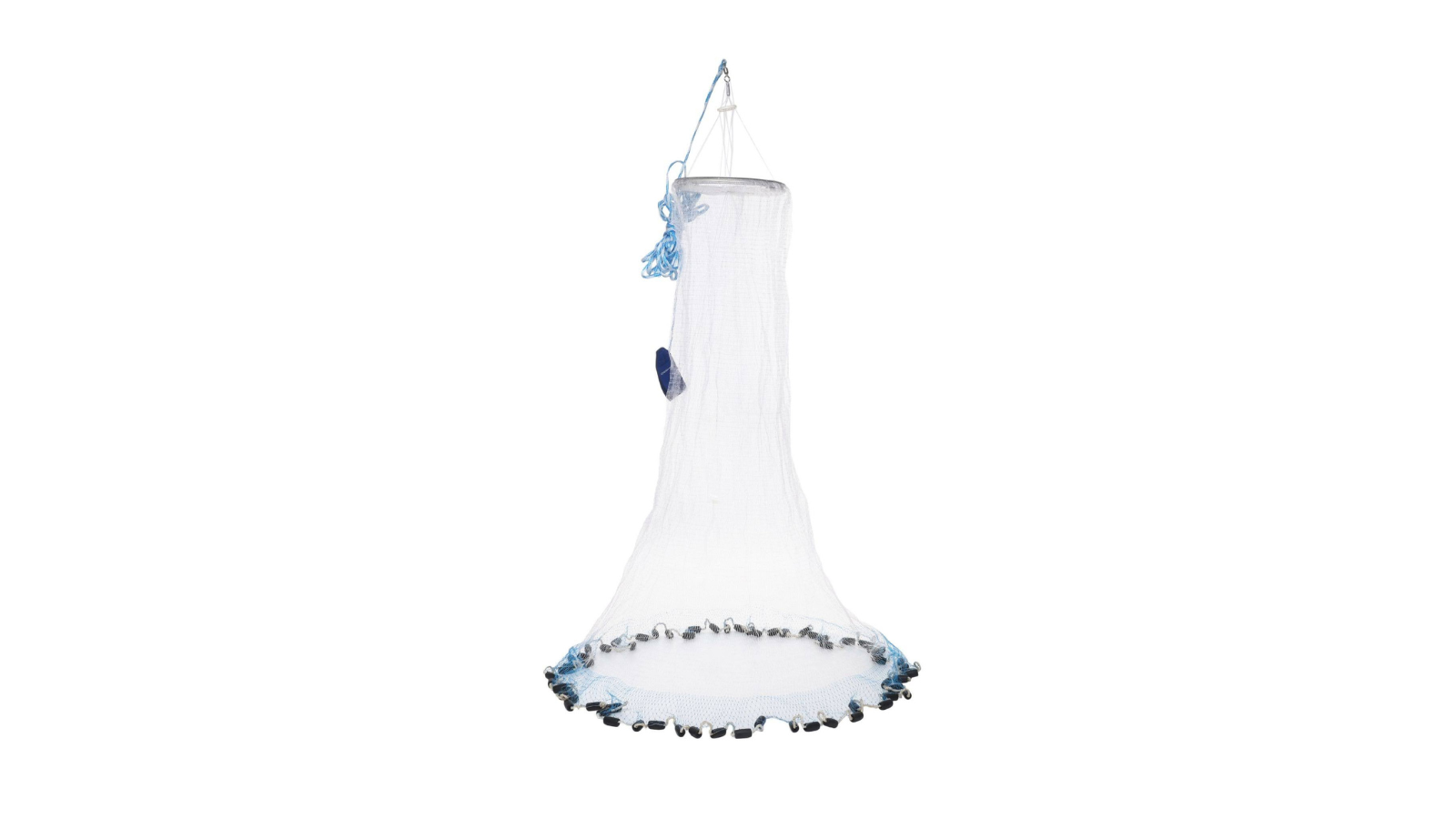
Not all cast nets are equally easy to handle. Design, materials, and weight distribution directly affect how smoothly a net opens in the air. If you want the easiest way to throw a cast net successfully, you have to start with a net built for controlled, consistent performance:
Proper Weight Distribution Along The Lead Line
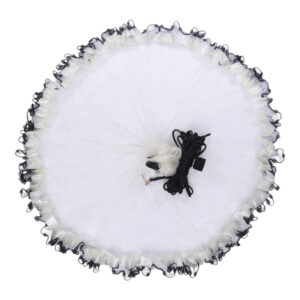
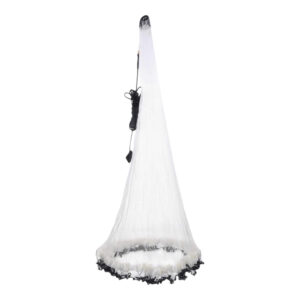
The lead line is what drives the spread. Evenly spaced and balanced weight allows the net to rotate cleanly, which supports a full circle when it hits the water. An easy cast net throw depends heavily on that balance because uneven weighting causes the net to collapse or open only halfway.
The Right Weight Per Foot For Your Strength And Conditions
Heavier nets sink faster and perform well in deeper water or stronger currents, but they require better control. Lighter nets are often better for anglers learning how to throw a cast net for beginners because they are easier to manage during loading and release. Matching weight to your ability improves your cast net throwing technique and reduces fatigue over repeated throws.
Mesh Size And Panel Construction
Mesh size impacts how water flows through the net during the throw. Proper mesh allows the net to open fully without excessive resistance, which helps when refining a simple cast net technique. Well-constructed panels also support smoother rotation in the air, making it easier to execute a clean beginner cast net method.
Balanced Design For Consistent Opens
A net designed for performance will open predictably when thrown correctly. That consistency builds confidence during your first time cast netting and makes it easier to practice proper form. Understanding key cast net features helps you recognize why some nets open effortlessly while others require constant adjustment.
The Easiest Way To Throw A Cast Net: Step-by-Step Method
Most anglers overcomplicate their first few throws. The easiest way to throw a net successfully is by using a controlled, repeatable setup that keeps the net balanced from start to finish. This beginner cast net method focuses on consistency rather than flash, and it also creates a strong foundation if you later decide to learn a one-handed cast net throw. If you have watched a cast net tutorial and felt like the steps were too technical, this simplified process keeps things practical and easy to apply.
Step 1: Secure The Hand Line And Organize The Net
Place the hand line loop securely around your wrist and gather the slack line neatly in your non-throwing hand. Make sure the lead line hangs freely without twists before you begin loading. Proper organization at this stage lays the foundation for a smooth cast net throwing technique and prevents problems during your first time.
Step 2: Load The Net Evenly
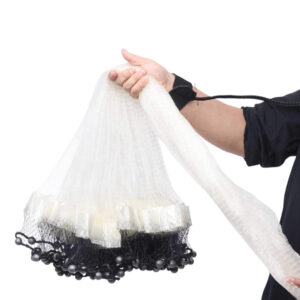
Hold the horn in your throwing hand and let the net hang straight down. Gather the net in sections, making sure the lead line is distributed evenly so both sides carry similar weight. This simple cast net technique keeps the net balanced in the air and makes it easier to achieve an easy cast net throw without using excessive force.
Step 3: Position Your Body For Rotation
Stand with your feet shoulder-width apart and turn your body slightly toward your target. The motion should come from your hips and shoulders working together, not just your arm. A controlled rotation supports a clean beginner cast net method and helps the net begin opening before it reaches full extension.
Step 4: Release Smoothly And Follow Through
As you rotate, extend your arm outward and release the loaded portion of the net at eye level. Avoid snapping your wrist or trying to throw hard, since a steady release produces better results. If you want a more detailed visual breakdown of how to throw a cast net, review our step-by-step guide for additional clarity. This same release principle applies if you later practice a one-handed cast net throw, since rotation and timing matter more than arm strength.
Step 5: Let The Net Work
Once released, allow the lead line to pull the net outward and downward. Do not pull back on the hand line too early, as this interrupts the spread and affects how to open a cast net fully. A relaxed follow-through allows the net to complete its circle and settle evenly over the bait.
How To Open A Cast Net Fully And Consistently
Getting the net to leave your hand is only half the job. The real goal is a full, round spread that settles evenly over bait. If you want consistent results, your focus should be on clean loading, smooth rotation, and proper release timing:
Focus On A Clean, Balanced Release
A full open starts with balance at the moment of release. If one side of the lead line carries more weight than the other, the net cannot complete its rotation in the air. Refining your cast net throwing technique and sticking to a simple method will dramatically improve your throws.
Let Rotation Do The Work
The net opens because of rotation, not power. When your hips and shoulders rotate smoothly, the lead line spreads outward in a circle before gravity pulls it down. Many anglers chasing the easiest way to throw a cast net overlook this detail, but controlled body movement is what separates a partial spread from a clean, full open.
Avoid Early Line Tension
One of the most common issues during a first-time cast net throw is pulling the hand line too soon. When tension is applied before the net finishes opening, it collapses inward instead of settling flat. Following proper cast net throwing tips and allowing the net to fully expand before retrieving ensures better bait coverage and more consistent results.
Common Beginner Mistakes That Ruin Your Throw
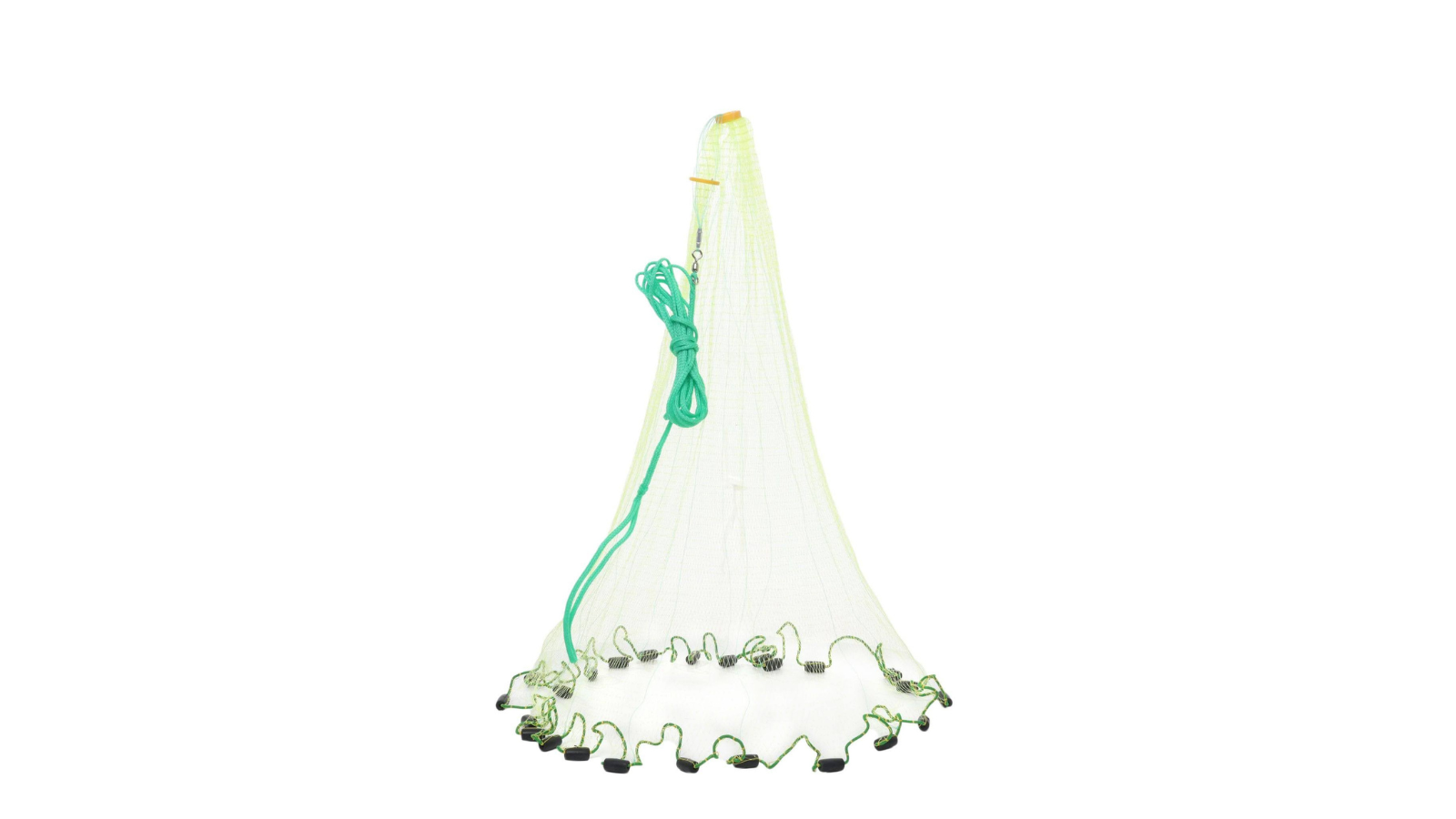
Even with a solid beginner cast net method, small errors can keep the net from opening correctly. Most problems are mechanical and easy to fix once you recognize them. Correcting these habits will make every easy cast net throw more consistent and productive:
Throwing Too Hard
Trying to overpower the net usually creates more problems than it solves. Excess force disrupts timing and often causes the net to tangle mid-air instead of completing a smooth rotation. The easiest way to throw a cast net relies on balance and control, not speed or strength.
Uneven Loading Of The Lead Line
If the lead line is not distributed evenly before the throw, the net cannot spread into a full circle. This directly impacts how to open a cast net and often results in a half-moon shape instead of a clean round presentation. Paying attention during setup improves your overall cast net throwing technique and reduces wasted throws.
Skipping Proper Preparation
Rushing into the motion without checking for twists or tangles is a common issue for anglers learning how to throw a cast net. A quick inspection before each cast supports a smoother release and a more dependable, simple cast net technique. Preparation is part of execution, especially during a first-time throw.
Attempting Advanced Variations Too Soon
Some anglers try a one-handed cast net throw before mastering the basic motion. While it can be effective in tight spaces, it demands clean loading and controlled rotation. A structured cast net tutorial can introduce the variation, but solid fundamentals should come first to keep your cast net throwing technique consistent.
Choosing The Right Cast Net For Easier Throws
Technique matters, but the net you throw plays an equal role in how consistent your results will be. A properly matched net supports better balance, smoother rotation, and faster sink rates. If your goal is less effort and better performance, selecting the right net is part of the process. The right net also makes it easier to transition from a standard throw to a one-handed cast net throw if your fishing environment requires it.
Match Mesh Size To Your Target Bait
Different bait species require different mesh sizes. Smaller mesh holds small bait like minnows and shrimp, while larger mesh works well for bigger baitfish and allows faster sink rates. You can explore the full range of saltwater bait species managed by NOAA Fisheries to better understand which species you are likely to encounter and how mesh size should match your target. If you are unsure and wondering “how do I choose the right cast net?” for my needs, start by identifying the bait you plan to target and the water conditions you fish most often.
Select The Right Weight And Radius
Heavier nets sink quickly and perform well in deeper water, but they demand better control during loading and release. Research on how leadline weight affects net sinking depth and speed confirms that increasing lead weight leads to faster sink rates, which matters when fishing in current or deeper conditions. Lighter nets are often preferred for anglers refining their method because they are easier to manage and help develop proper cast net throwing technique.
Invest In Proven Construction
Durability and design directly affect performance over time. Reinforced stitching, evenly spaced weights, and consistent panel construction support a dependable, simple cast net technique and cleaner openings. For anglers looking for reliable options built for real conditions, explore our selection of cast nets designed for consistent spread and long-term use.

Final Thoughts
Learning the easiest way to throw a cast net does not require complicated grips or advanced tricks. It comes down to balanced equipment, controlled rotation, and repetition. If you focus on a consistent beginner cast net method, apply practical cast net throwing tips, and refine your simple cast net technique over time, your results will improve quickly. Every easy cast net throw builds muscle memory, and each first-time cast net throw becomes smoother as your cast net throwing technique becomes more natural.
The right gear supports that progress. Understanding cast net features, selecting the proper mesh and weight, and knowing how to open a cast net correctly all contribute to better bait coverage and more productive fishing. If you are dialing in your bait strategy, take time to choose your live bait for saltwater fishing so your net selection and technique match your target species. For a deeper look at the species you may be targeting, the NOAA Fisheries species directory is a reliable resource for understanding bait and gamefish behavior across different environments. Keep the process straightforward, use equipment built for real fishermen, and let the net do what it was designed to do.
Frequently Asked Questions About The Easiest Way To Throw A Cast Net
What is the easiest way to throw a cast net in shallow water?
Use a lighter net with controlled rotation and aim slightly beyond the bait so the net settles over them as it sinks. With basic instruction and repetition, most beginners can develop a consistent throw in a short amount of practice time.
How long does it take to get comfortable with a cast net?
Most anglers see noticeable improvement after a few focused practice sessions in open water or on grass.
Does water depth affect cast net performance?
Yes. Deeper water may require heavier nets for faster sink rates, while shallow water favors lighter setups for easier control.
Is hand size important for controlling a cast net?
Hand size matters less than grip technique and how evenly you load the lead line before release.
Can wind conditions impact my cast net throw?
Strong wind can affect rotation and spread, so adjusting your body angle and throwing lower can improve results.
What radius cast net is best for beginners?
Smaller radius nets are generally easier to manage and help new anglers develop consistent mechanics.
How do I maintain my cast net after use?
Rinse it with fresh water, allow it to dry fully, and store it loosely coiled to prevent tangling and material breakdown.
Is practicing on land helpful before throwing in water?
Yes. Practicing on grass allows you to focus on form and rotation without worrying about losing bait.
Does net color affect bait capture?
In clear water, more transparent materials can reduce visibility, which may help when targeting cautious baitfish.
Sources:
- NOAA Fisheries. (n.d.). Find a species. National Oceanic and Atmospheric Administration. https://www.fisheries.noaa.gov/find-species
- Xu, Z., Tang, H., & Hu, F. (2023). Sinking behavior of netting panels made with various twine materials, solidity ratios, knot types, and leadline weights in flume tank. Journal of Marine Science and Engineering, 11(10), 1972. https://www.mdpi.com/2077-1312/11/10/1972
NOAA Fisheries. (n.d.). Species directory. National Oceanic and Atmospheric Administration. https://www.fisheries.noaa.gov/species-directory
-
-
Select options This product has multiple variants. The options may be chosen on the product page

- Signature Series, Tape Nets
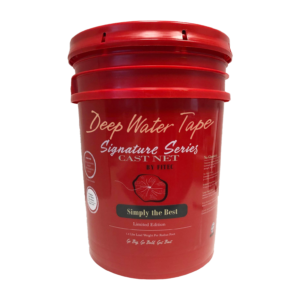
Signature Series Deep Water Tape Net
- Price range: $165.99 through $221.49
-
-
-
-
-
-
-
-
Select options This product has multiple variants. The options may be chosen on the product page
- SS Series, SS-1000 Deep Water Tape, Tape Nets
SS1000 Deep Water Tape Net
- Price range: $57.87 through $97.00
-
-
-
-
-
-