Best Cast Net for Beginners: How to Choose the Right One
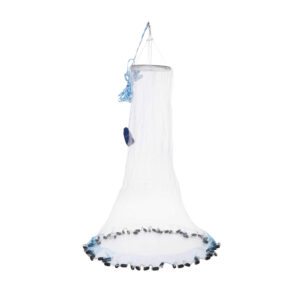
Choosing the best cast net for beginners comes down to how it performs on the water. A good net should open cleanly, sink properly, and feel balanced in your hands. These matter more than size when you are still learning. Even weight distribution helps the net spread in a full circle, giving you better coverage. If the weight is uneven, the net may collapse or land narrowly, making it harder to catch bait. Consistent performance helps build confidence with each throw.
Material quality also matters. Strong mesh and reinforced stitching handle repeated use around docks and shallow areas. A net that holds its shape is easier to manage and more dependable. Our focus is on balance, durability, and real-world performance, so beginners can spend more time fishing and less time dealing with gear.
Beginner Cast Net Basics Every New Fisherman Should Know
Starting with a beginner cast net is less about picking the biggest option and more about understanding how the net works in your hands. A few key basics will make the learning process smoother.
What Defines a Beginner Cast Net
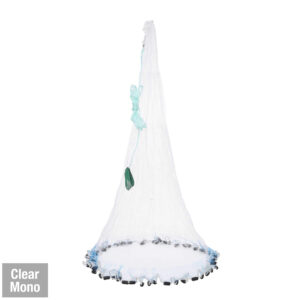
A beginner cast net is built for control and consistency. This usually means a manageable radius, balanced lead line, and mesh that is easy to handle. Smaller nets are often the best starting point because they require less strength to throw and are easier to load properly. You will also notice that beginner-friendly nets tend to open more predictably. This allows you to focus on your throwing motion rather than trying to correct the net mid-cast. Over time, this leads to better technique and more reliable results.
Why Simplicity Matters for First-Time Users
A simple gear performs better for someone still learning. A net that opens cleanly and does not tangle easily allows you to focus on timing, positioning, and release. These are the skills that actually improve your catch rate. Durability is equally important. Beginners tend to practice frequently, and that means repeated contact with water, sand, and structure. Nets with reinforced construction hold up better under these conditions, reducing the need for early replacement and keeping your setup consistent.
Easy to Throw Cast Net Features That Make Learning Simpler
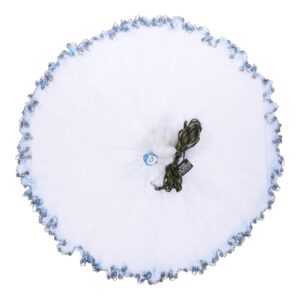
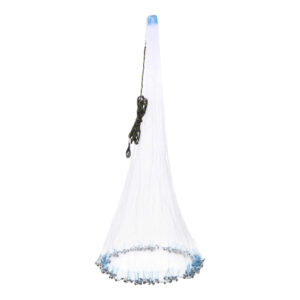
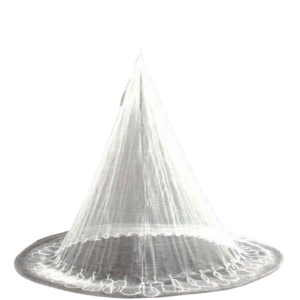
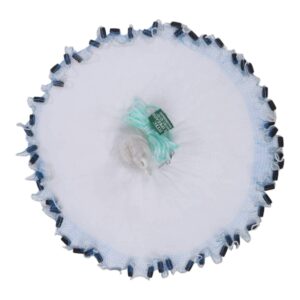
An easy-to-throw cast net helps shorten the learning curve. The right design makes each step of the throw more controlled and easier to repeat. Balanced weight distribution is what allows the net to open into a full circle. When the weights are evenly spaced, the net spreads naturally during the throw and lands flat on the water. This improves coverage and increases your chances of trapping bait underneath. If the weights are uneven or poorly spaced, the net may twist or close early. This can be frustrating for beginners because it makes it harder to understand what went wrong. A properly balanced net gives clear feedback, which helps you improve faster.
Net Size and Handling for Easier Control
Handling improves significantly with the right size. A smaller net is easier to gather, hold, and release, especially if you are learning from a dock or shoreline. It also requires less effort, which allows you to practice longer without fatigue. Material choice affects handling as well. Nets that resist tangling and move smoothly through your hands reduce interruptions between throws. This keeps your focus on technique and helps build consistency over time.
How to Choose a Cast Net for New Fishermen
Choosing a cast net for new fishermen involves matching the net to your fishing environment and the type of bait you plan to catch. Read our guide on how to choose the right cast net to find the size, weight, and mesh configuration that fits your needs as a beginner.
Matching Net Size to Fishing Environment
Fishing location plays a big role in net selection. In tight areas like docks, piers, or narrow shorelines, a smaller net is easier to control and less likely to snag. In open water, you may have more room to throw, but control still matters more than coverage when you are starting out. A manageable net size allows you to focus on clean throws. Once your technique improves, you can move up to larger nets if needed.
Choosing the Right Mesh for Target Bait
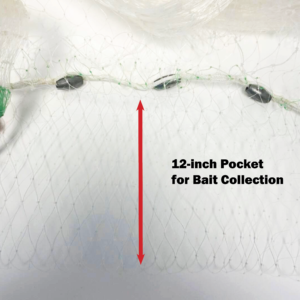
Mesh size determines what kind of bait you can catch and how the net behaves in the water. A smaller mesh is better for small baitfish like minnows because it prevents them from slipping through. A larger mesh allows water to pass through faster, which helps the net sink more quickly. If you are fishing in shallow water for small bait, a tighter mesh makes sense. In deeper water or when targeting larger bait, a wider mesh can improve sink speed. Beginners often do best with a versatile mesh size that works across different conditions while they learn.
Lightweight Cast Net for Beginners: Finding the Right Balance
A lightweight cast net for beginners makes it easier to practice and develop a consistent technique. The key is choosing a net that feels manageable without sacrificing performance in the water.
- Less Fatigue: Lighter nets reduce fatigue, allowing you to make more throws during a session.
- Improved Control: Improved control helps beginners focus on proper form and timing.
- Cleaner Releases: A manageable weight makes it easier to load and release the net cleanly.
- Full Spreads: Balanced construction still allows the net to open fully despite being lighter.
- Built to Last: Durable materials help lightweight nets hold up under repeated use.
A lightweight net should still perform well when it hits the water. It needs enough weight to sink properly and trap bait before it escapes. The goal is to find a net that feels easy to throw but still delivers consistent results. At Cast Nets, designs focus on maintaining that balance so beginners can learn without giving up effectiveness.
What Makes a Beginner Cast Net Easy to Use
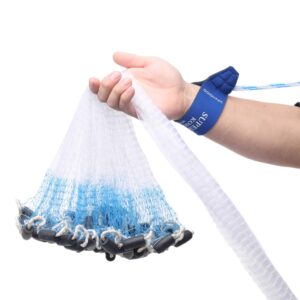
Ease of use comes down to how the net behaves from start to finish. A net that loads smoothly, releases cleanly, and opens consistently gives beginners a clear sense of what a proper throw should feel like. This makes it easier to correct mistakes and improve technique over time. Tangle resistance is another factor. Nets that stay organized during handling reduce downtime between throws. This is especially helpful when fishing from docks or uneven ground where space is limited.
Construction quality also affects usability. Reinforced stitching and durable mesh help the net maintain its shape after repeated use. When a net holds up, it continues to perform the same way each time you throw it, which is important for building consistency. Material quality, mesh size, and construction all play a role in how the net performs and how long it holds up under repeated use. Explore our cast net features page for a full breakdown of what separates quality nets from basic options.
Cast Net for New Fishermen: Size, Weight, and Setup
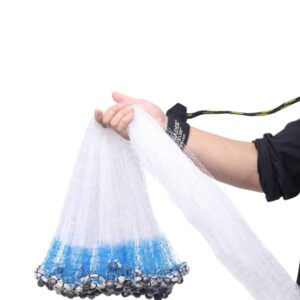
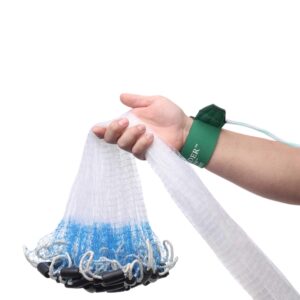
For new fishermen, understanding setup is just as important as choosing the right net. Before each throw, the net should be properly arranged so it can open without interference. This includes checking that the lead line is not twisted and that the mesh is evenly distributed in your hands. Size and weight influence how the net behaves during setup and release. A balanced net is easier to organize and less likely to tangle. This leads to cleaner throws and better spreads on the water.
Practicing the setup regularly helps build muscle memory. Over time, you will be able to prepare the net quickly and focus more on positioning and timing. This improves efficiency and leads to better results during each trip.
Easy to Throw Cast Net Options for First-Time Users
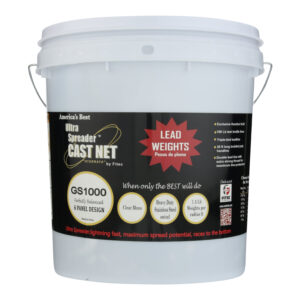
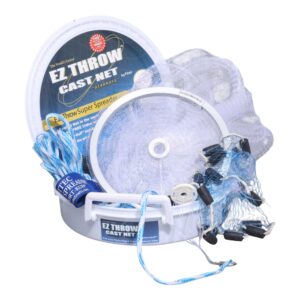
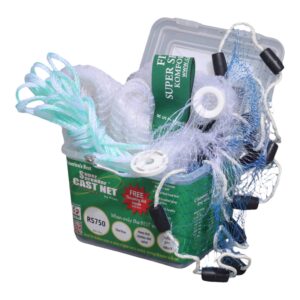
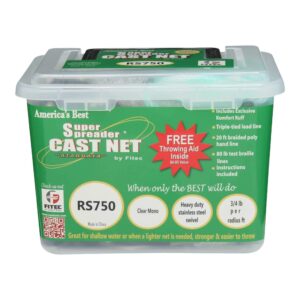
Easy-to-throw cast net options from Fitec are built with beginners in mind, focusing on consistent performance in real conditions. Balanced weight distribution helps the net open fully, while durable materials support repeated use in environments like docks, shorelines, and shallow flats. These nets are designed to handle common challenges that new fishermen face, including uneven throws and frequent practice. Reinforced construction helps maintain performance over time, while practical sizing options make it easier to choose a net that fits your needs.
For someone just starting out, having reliable gear makes a difference. A net that opens cleanly and sinks as expected allows you to focus on improving your technique and finding bait. With the right setup, beginners can spend less time adjusting their gear and more time fishing effectively.
Frequently Asked Questions About The Best Cast Net for Beginners
What size cast net is best for beginners?
A cast net with a radius of 4 to 6 feet is usually the best starting point. It offers enough coverage to catch bait while remaining easy to control and throw for someone still learning.
How much should a beginner cast net weigh?
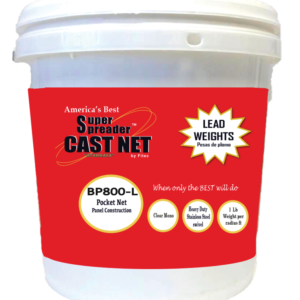
A beginner cast net should feel manageable during repeated throws. Lead-weighted options typically range from 0.75 to 1 pound per radius foot for lighter recreational nets. Some beginner nets use non-lead weight systems designed specifically for easier throwing. The key is balance, not total weight.
Can beginners use large cast nets right away?
Larger nets can be used, but they are harder to control and require better technique. Starting smaller helps build consistency before moving up in size.
What type of line should a beginner cast net have?
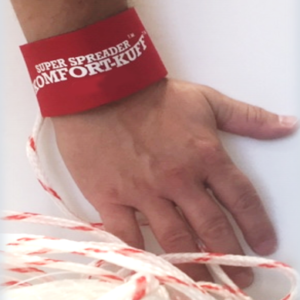
Most beginner nets come with a hand line made of durable braided material. It should feel comfortable in your grip and strong enough to handle repeated pulls.
How long does it take to learn how to throw a cast net?
Most beginners can learn the basics within a few practice sessions. Consistency improves with repetition, especially when using a net that opens reliably.
Do beginners need a specific type of cast net for saltwater or freshwater?
Not necessarily, but saltwater use may require more durable materials due to corrosion and rougher conditions. Rinsing the net after use helps extend its life.
What is the easiest way to store a cast net?
Hanging the net or storing it loosely in a bucket helps prevent tangling. Avoid tightly packing it, as this can create knots and affect performance.
How do you maintain a cast net for long-term use?
Rinse the net with clean water after each use, especially in saltwater. Check for small tears and repair them early to prevent larger damage. New anglers often have questions about how to use and maintain their gear before heading to the water. Visit our Fitec FAQs page for answers to common questions about net setup, care, and use.
Can a beginner cast net be used for different types of bait?
Yes, but effectiveness depends on mesh size. A versatile mesh can handle multiple bait types, though specialized nets perform better for specific bait.
What should beginners practice before fishing with a cast net?
Practicing on open land or shallow water helps you learn the throwing motion without worrying about losing the net. Focus on clean releases and full spreads. Repetition is what builds skill, and understanding the correct throwing motion from the start helps beginners develop faster. Read our guide on how to throw a cast net for step-by-step instructions on achieving a full, clean spread with every cast.