Blog
Throwing a cast net is one of the most efficient ways to catch live bait — but if you’ve never handled one before, it can feel overwhelming fast. A clean, full spread doesn’t happen by accident. It comes from understanding the net, loading it correctly, and using controlled movement instead of brute force. With the right approach, throwing a cast net becomes a repeatable skill that saves time on the water and puts more bait in the well.
At Fitec, we build cast nets for anglers who depend on performance. Our nets are designed with balanced weight distribution, reinforced materials, and mesh options tailored to real bait species and fishing conditions. Whether you’re working an inshore flat, a freshwater dock, or an open bay, our gear is built to open smoothly and hold up through repeated use.
This guide walks through everything beginners need to know — loading, grip, body positioning, and release — to achieve a full, clean spread from the start. We’ll also cover the most common mistakes and the simple adjustments that make the biggest difference.
Key Takeaways:
- Proper Setup Matters: Understanding mesh size, weight, and net components improves performance before you ever make a throw.
- Technique Builds Consistency: Controlled rotation and a smooth release create full spreads more reliably than force alone.
- Gear Impacts Results: A well-built net matched to your bait and environment increases efficiency and durability.
Understanding Your Cast Net Before You Throw
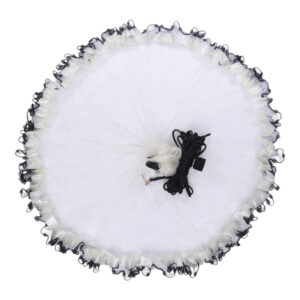
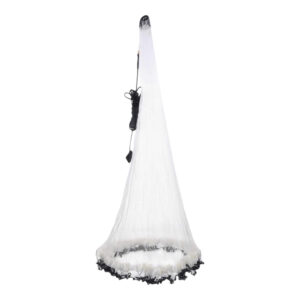
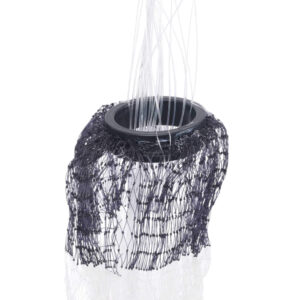
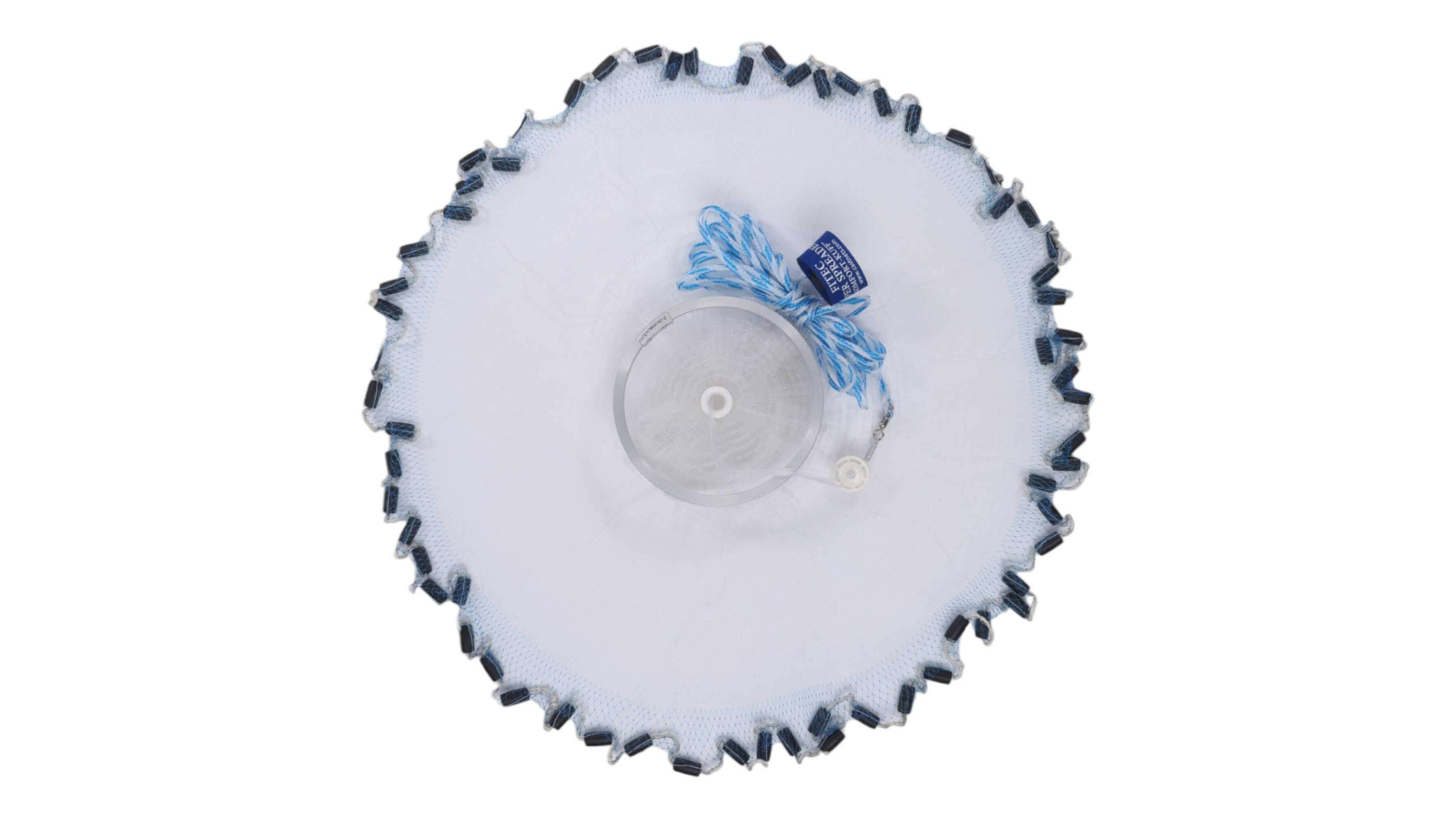
Before working on technique, it helps to understand how a cast net is actually built. A cast net is a balanced system made up of the horn, hand line, mesh, lead line, and evenly distributed weights along the perimeter. Each component affects how the net opens, spreads, and sinks. When weight is distributed evenly along the lead line and the mesh is properly constructed, the net forms a full circle on the water. Uneven weight or poor construction will limit your results regardless of how good your throwing motion is.
For beginners, focus on three key specs: mesh size, radius, and weight per foot.
- Mesh size determines what bait you can hold and plays a role in how quickly the net sinks. Smaller mesh retains small bait like minnows and juvenile shad but sinks more slowly. Larger mesh allows for faster sink rates and is better suited for bigger bait like mullet. The right choice depends on your target species and fishing conditions.
- Radius determines how much water you cover with each throw. A larger radius increases coverage but requires more control during loading and release.
- Weight per foot affects how quickly the net reaches the bait before it scatters — heavier lead lines produce faster sink rates, which matters in current or deeper water.
Understanding how these elements work together makes it easier to load, throw, and retrieve consistently. If you’re wondering how to choose the right cast net, start by matching the net to the bait you need — not just the fish you’re after. That’s the foundation everything else builds on.
Choosing The Right Cast Net For Your Target Bait
Even a premium net will underperform if it’s wrong for the conditions. Before focusing on technique, make sure your gear fits your situation.
Mesh Size And Bait Type
Mesh size determines what bait stays in your net and how quickly the net sinks. Smaller mesh works well for small bait like minnows and small shad, while larger mesh allows faster sink rates for bigger bait such as mullet. You can browse the NOAA Fisheries species directory to better understand the bait species common to your region and how mesh size should match your target. Reviewing cast net features and mesh sizes will help you understand how mesh impacts both sink speed and bait retention — two things that matter a lot when you’re just learning how to throw a cast net as a beginner.
Radius And Coverage Area
The radius of the net determines how much water you cover per throw. A larger radius increases coverage but requires more control and proper loading technique. If you’re new to cast netting, starting with a manageable radius lets you focus on clean opens and controlled throws instead of fighting the net on every cast.
Weight Per Foot And Sink Rate
Weight per foot affects how quickly your net reaches the bait before it scatters. Research on how leadline weight affects net sinking depth and speed confirms that heavier lead lines produce faster sink rates, which matters when fishing in current or deeper conditions. Lighter nets are easier to manage in shallow areas. Any solid cast net throwing guide will factor in weight because it directly shapes how the net performs in different environments.
Matching The Net To Your Fishing Environment
Inshore flats, freshwater lakes, docks, and open bays all call for different setups. Current, depth, and bait behavior all influence what net makes sense. Getting the right match upfront means your equipment works with your technique, not against it.
How To Load A Cast Net The Right Way
Proper loading determines whether your net opens fully or collapses mid-air. Many of the problems beginners run into come from poor preparation, not a poor throwing motion. Before you focus on your throw, take the time to load the net correctly.
Secure The Hand Line
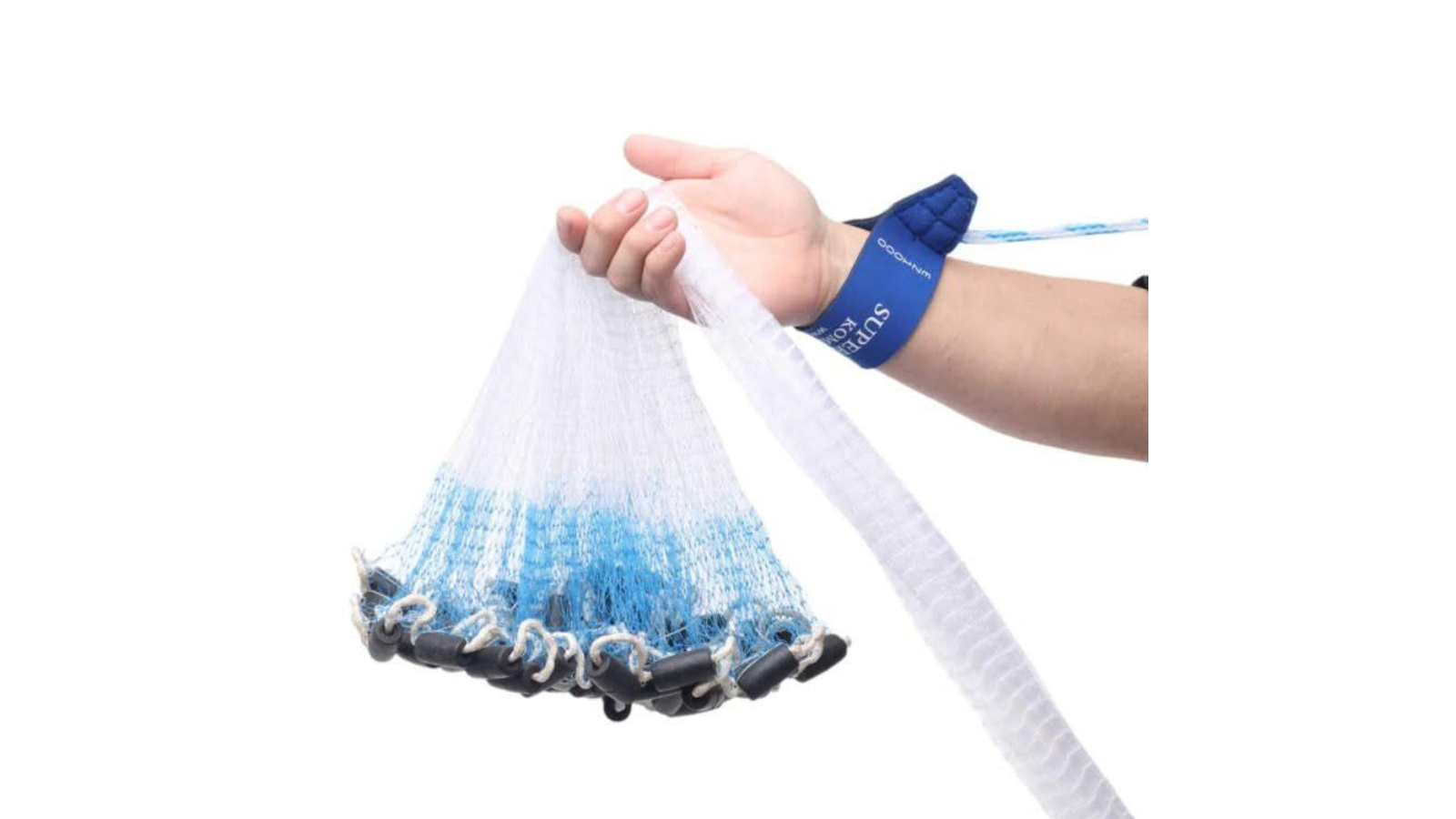
Start by placing the hand line loop securely around your wrist. Coil the remaining line neatly in your non-throwing hand to prevent tangles during the release. It sounds simple, but this step is easy to skip — and skipping it is a fast way to lose control right when the net leaves your hand.
Shake And Organize The Net
Hold the horn and let the net hang freely so the lead line settles evenly. Shake it out to remove any twists and make sure the mesh isn’t wrapped around itself. Taking a few extra seconds here leads to noticeably smoother opens.
Use The Proper Cast Net Coiling Technique
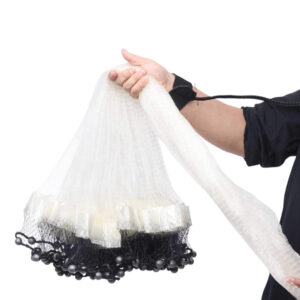
Once the net is hanging straight, gather a section of the lead line and drape part of the mesh over your throwing arm. The goal is to keep the weight distributed evenly so the net can spread in a full circle. This is widely considered the best way to load a cast net — and it’s the step that most directly determines whether your throw opens cleanly.
Prepare For A Clean Release
Position your hands so the horn is in your dominant hand and the loaded sections are separated cleanly. Your stance should be stable with your body slightly turned toward your target. Getting this right before you ever start the motion is what separates a consistent throw from a frustrating one.
How To Throw A Cast Net: Step-By-Step
Once the net is loaded, it’s time to throw. A smooth, controlled motion will consistently outperform brute force — keep that in mind as you work through each step.
Set Your Stance And Grip
Stand with your feet shoulder-width apart and your body slightly turned toward your target. Keep your dominant hand on the horn and your non-throwing hand holding the remaining loaded sections. A balanced stance is the starting point for everything — without it, the rest of the motion falls apart.
Begin The Rotation
Rotate your shoulders and hips together in one controlled motion. The power comes from your body turning, not just your arm. This is where a lot of beginners go wrong — overusing the arm leads to poor spreads and inconsistent results, so focus on keeping the movement fluid and full-body.
Release At The Right Moment
As your body completes its rotation, release the net smoothly toward your target. The goal is a flat, level release that allows the weights to pull the net outward into a full circle. For a complete visual breakdown of the full motion in real conditions, review our detailed throwing guide on how to throw a cast net.
Let The Net Open And Sink
After the release, let the net fully open and sink before you retrieve. The lead line should form a complete circle on the surface before it drops through the water column. Resist the urge to start pulling — waiting for that full open is what gives you a good catch.
Retrieve And Close The Net
Pull the hand line steadily to draw the lead line together and trap the bait inside. Avoid jerking the line. A smooth retrieve keeps the net balanced, reduces stress on the mesh, and gets you ready for the next throw faster.
Improving Your Cast Net Technique
Understanding the basics is just the starting point. Even experienced anglers keep refining their motion to get cleaner spreads and faster sink rates. Once you have the fundamentals down, focus on these areas.
Correcting Common Beginner Mistakes
The two most common issues are overpowering the throw and releasing too early. A controlled rotation and level release will open the net more consistently than extra force every time. Watching a cast net throwing video can help you compare your motion and catch habits you might not notice otherwise.
Adjusting For Wind And Current
Wind can catch the mesh mid-air, and current can shift bait before the net sinks. Position yourself so the wind works with your throw rather than against it, and lead the bait slightly in moving water. These are the kinds of real-world adjustments that separate inconsistent throws from dependable results.
Practicing On Land Before The Water
An open backyard or park is one of the best places to refine your timing and release. Watch how the lead line lands and whether it forms a clean circle. Building that muscle memory on land first means you’re not figuring out the basics while also trying to track bait on the water.
Matching Technique To Target Species
Different bait species react differently to movement and shadow. Fast-moving bait in shallow water requires quicker sink rates and precise placement. For anglers targeting striped bass, understanding the four fundamentals of striper fishing with live bait helps connect your net technique to the bigger picture of fishing success.
Final Thoughts
Learning how to throw a cast net as a beginner comes down to two things: repetition and the right equipment. The more you practice loading, rotating, and releasing, the more natural the motion becomes. A quality net built with balanced weight and durable mesh supports every stage of the process. If you want a deeper look at how construction affects performance, our guide on cast net features and mesh sizes is a good next step.
Every angler starts somewhere. Choose the right net, follow solid technique, and refine your motion over time — it won’t be long before casting becomes second nature on the water. If you still have questions about sizing, setup, or care, visit our FAQs for straightforward answers.
Learning how to cast a net as beginners comes down to two things: repetition and proper equipment. The more you practice loading, rotating, and releasing, the more natural the motion becomes. A quality net built with balanced weight and durable mesh supports every stage of the process, from the cast net coiling technique to retrieval. If you want a deeper breakdown of design details, review our guide on cast net features and mesh sizes to better understand how construction affects performance.
Every angler starts somewhere. The key is choosing the right net, following solid cast net instructions, and refining your motion over time. If you still have questions about sizing, setup, or care, visit our FAQs for clear answers. Put in the time, use dependable gear, and learning how to use a cast net effectively becomes part of your routine on the water.
Frequently Asked Questions: How To Throw A Cast Net?
How long does it take to learn how to cast a net and feel comfortable using it?
Most beginners can achieve a functional, full spread within a few practice sessions. Consistency usually develops after several outings as muscle memory kicks in. Short, regular sessions tend to be more effective than occasional marathon practices.
What size cast net is easiest for beginners to handle?
A net between 6 and 8 feet in radius is manageable for most adults starting out. It provides enough coverage without becoming too heavy or difficult to control. Weight per foot matters here, too — choosing the right rating makes a noticeable difference in how the net handles.
Can children or smaller anglers learn to throw a cast net?
Yes, but they should use a smaller radius and lighter net. Proper sizing reduces fatigue and lets them focus on technique rather than fighting the gear. Supervision is important when handling weighted lead lines.
Is it better to practice in shallow or deeper water first?
Shallow water is generally better for beginners. You can see how the net opens and lands, which makes it easier to spot and correct mistakes. That visibility speeds up the learning process considerably.
How do I prevent my cast net from tangling during transport?
Rinse it after use, let it dry completely, and store it loosely coiled in a breathable container. Avoid stuffing it tightly into buckets or closed compartments. This saltwater fishing gear maintenance guide covers rinsing, drying, and storage practices that apply directly to cast nets and will help extend the life of both the mesh and lead line.
What type of bait is easiest to catch while learning?
Slow-moving bait in shallow water gives beginners the best chance at a full catch. Species that school tightly are especially forgiving. Hold off on chasing scattered bait until your throws are consistent.
How often should I replace a cast net?
It depends on how often you fish and how well you maintain the net. Recreational anglers who take care of their gear can often use a net for years. Inspect the stitching and mesh regularly for wear.
Does water depth affect how I should throw the net?
Yes. Deeper water may call for heavier weight per foot to get faster sink rates. In shallow areas, lighter nets are easier to manage. Match your net selection to the depth you’re typically fishing.
Are cast nets legal everywhere?
Regulations vary by state and region. Some areas restrict mesh size, radius, or target species. Always check NOAA’s federal fishing rules and regulations and your local state fish and wildlife agency before heading out.
Is there a difference between freshwater and saltwater cast nets?
The basic design is similar, but saltwater use demands stronger materials and corrosion-resistant components. Thorough rinsing after every saltwater outing is essential to maintain durability over time.
-
-
Select options This product has multiple variants. The options may be chosen on the product page

- Signature Series, Tape Nets
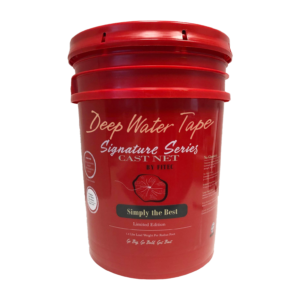
Signature Series Deep Water Tape Net- Black Bucket
- Price range: $197.99 through $221.49
-
-
-
-
-
-
-
-
Select options This product has multiple variants. The options may be chosen on the product page
- SS Series, SS-1000 Deep Water Tape, Tape Nets
SS1000 Deep Water Tape Net
- Price range: $57.87 through $97.00
-
-
-
-
-
-