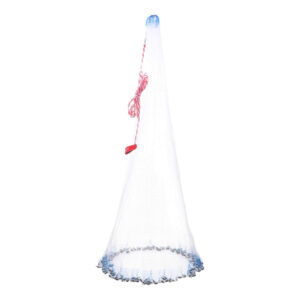
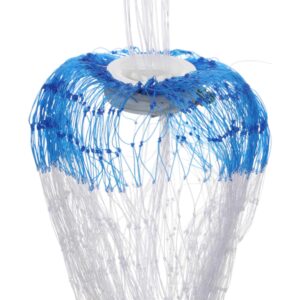
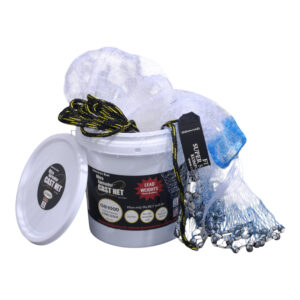
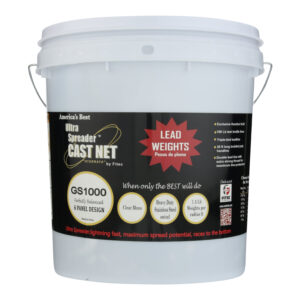
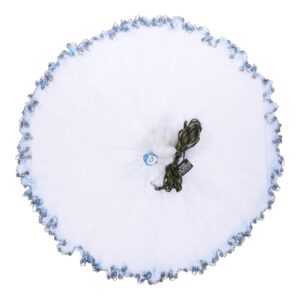
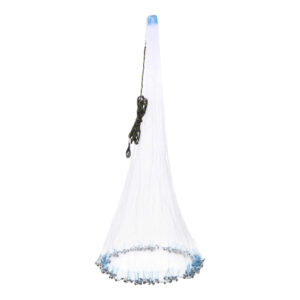
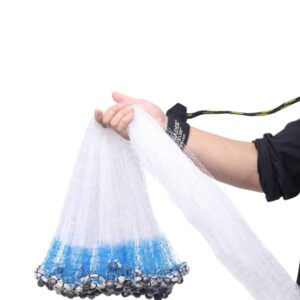
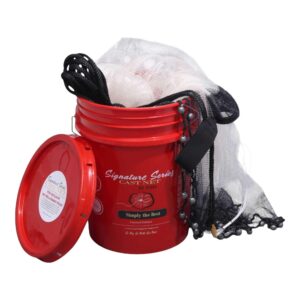
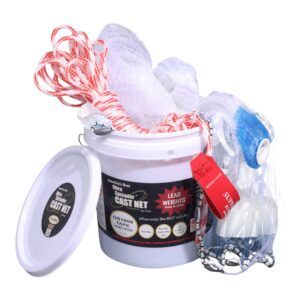
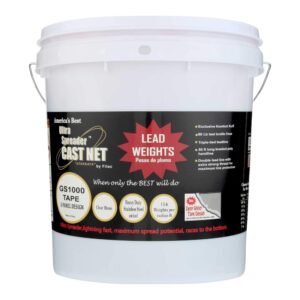
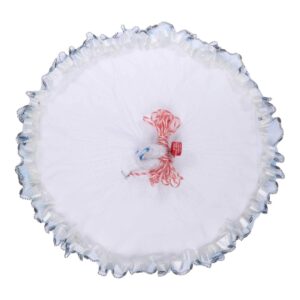
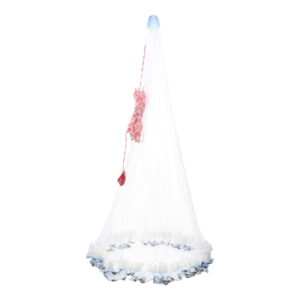
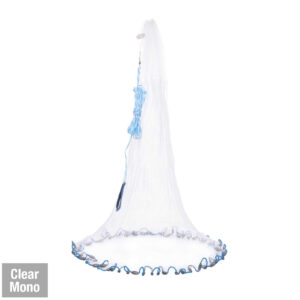
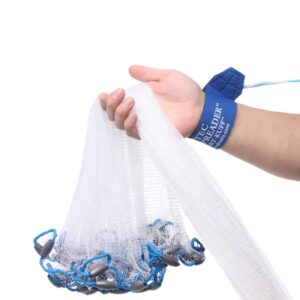
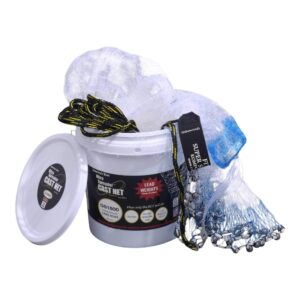
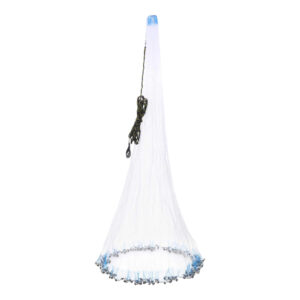
What Makes the Best Cast Net for Saltwater
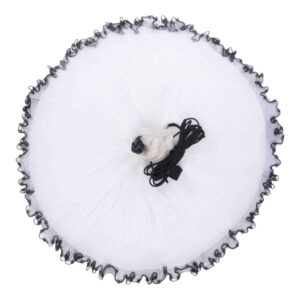
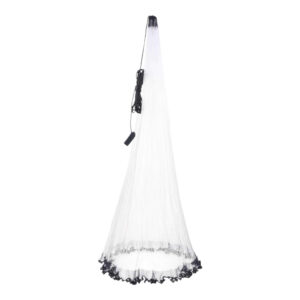
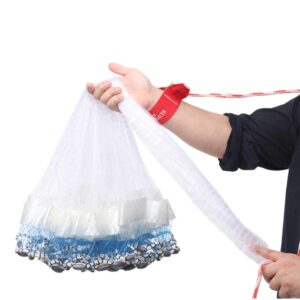
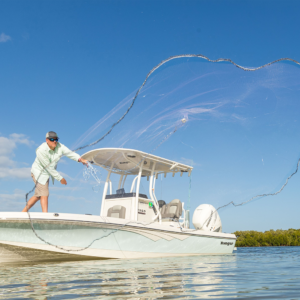
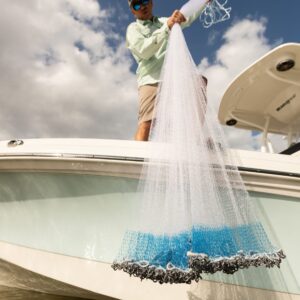
The best cast net for saltwater is built around how it performs on the water, not how it looks in packaging. What matters is how consistently it opens, how fast it sinks, and how well it holds up after repeated use. A balanced net spreads cleanly in the air and drops evenly without folding in on itself. That gives you full coverage and a better shot at surrounding bait before it scatters. Weight distribution plays a major role here. If the lead is uneven, the net will not open properly or sink the way it should. Materials matter just as much.
Saltwater is tough on gear, so the net needs strong mono, reinforced stitching, and components that can handle constant exposure. Mesh size also needs to match the bait you are targeting. Too small, and the net sinks slowly. Too large and bait slips through. A good saltwater cast net brings all of this together, so each throw works the way you expect. At Fitec, every net is designed around that idea, focusing on performance that holds up in real conditions.
How to Choose a Cast Net for Saltwater Fishing
Choosing the right cast net for saltwater fishing comes down to matching your setup to how you actually fish. Water depth, current, structure, and bait type all play a role. If those factors are off, even a well-built net will not perform the way it should.
Matching Net Size to Your Fishing Area
The size of your net should reflect the space you are working in. From a boat or open shoreline, a larger radius gives you more coverage and helps you hit full schools of bait. Around docks, bridges, or tight shoreline spots, a smaller net is easier to control and reduces the risk of snagging. If you are still working on your throw, starting with a smaller net makes a difference. It is easier to manage, and you can focus on technique instead of fighting the weight.
Selecting the Right Weight for Saltwater Conditions
Weight determines how quickly your net reaches the bait. In deeper water or moving current, a heavier net gives you the speed you need to get down before the bait moves off. In shallow water, too much weight creates unnecessary splash and can push bait away before the net even sinks. The right balance lets the net drop fast while still staying easy to throw repeatedly.
Understanding Mesh Sizes in a Saltwater Cast Net
Mesh size controls both what you can catch and how the net behaves in the water. It is one of the first decisions you should make when choosing a saltwater cast net.
Small Mesh for Fragile Bait
Smaller mesh, such as 3/8 inch, works best for delicate bait like glass minnows and small shrimp. These nets hold bait without gilling them — a real problem when mesh is too large and baitfish get caught by their gill plates, making them impossible to remove alive — which helps keep bait alive longer in the well. When targeting pilchards, scaled sardines, or other small inshore bait, smaller mesh is the right call: go too large and you will gill your bait before it ever reaches the livewell. The tradeoff is resistance in the water. Smaller openings slow the sink rate, so these nets perform best in shallow water or when bait is close to the surface.
Larger Mesh for Faster Sink and Bigger Bait
Larger mesh, such as 5/8 inch, allows water to pass through more easily. That means a faster sink rate and better performance in deeper water. These nets are suited for larger bait like mullet. If you are fishing deeper channels or dealing with current, larger mesh helps you get the net down before the bait moves.
Best Saltwater Cast Net Options for Different Conditions
The best saltwater cast net depends on where you fish and how the bait behaves in that environment. Conditions change, and your net should match them.
Shallow Water and Calm Conditions
In shallow water, bait reacts quickly to noise and movement. A lighter net with moderate mesh gives you better control and a softer entry. Accuracy matters more than raw sink speed in these situations. A clean throw that opens fully will produce better results than a heavy net that lands hard and pushes bait out of range.
Deeper Water and Strong Current
In deeper water or current, speed becomes the priority. A heavier net with a larger mesh sinks faster and keeps its shape as it drops. That allows you to reach bait before it shifts position. If the net takes too long to close the distance, the opportunity is gone before it even settles.
Why a Fitec Saltwater Cast Net Is Built for Performance
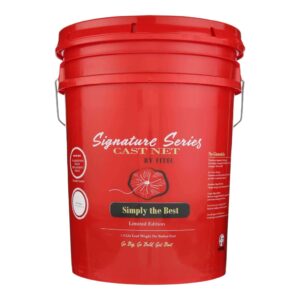
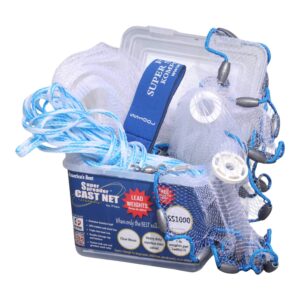
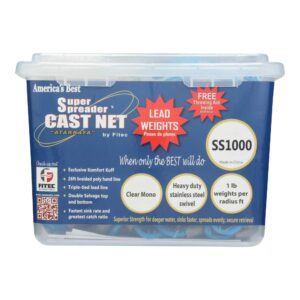
A Fitec saltwater cast net is built with one goal in mind: consistent performance in real fishing conditions. The design focuses on how the net opens, how it sinks, and how it holds up over time.
- Balanced weight distribution helps the net open fully and sink evenly, improving coverage on every throw
- Reinforced construction strengthens key stress points so the net holds up after repeated use in saltwater
- Durable materials resist wear from salt, sun, and regular handling
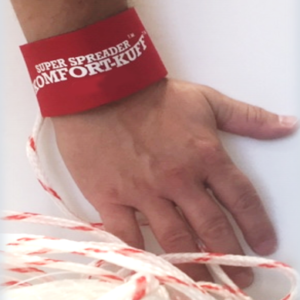
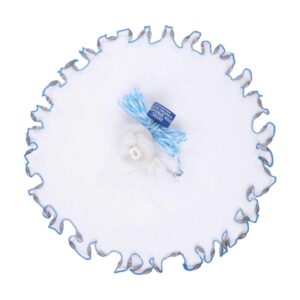
- Super Spreader™ design supports more consistent opens, especially for anglers still refining their throw
- Multiple mesh and weight options allow you to match the net to specific bait and conditions
These features are built around how anglers actually fish. Fitec focuses on dependable performance, not unnecessary extras. A net should work the same way every time you throw it. That consistency is what saves time and helps you stay focused on fishing instead of adjusting your gear. Pilchards and other small baitfish are among the most effective choices for coastal fishing, and knowing how to use them in real conditions makes a meaningful difference on the water. Read our guide on fishing for mackerel in the Florida Keys to see how live bait collection fits into a productive saltwater fishing strategy.
Key Features of the Best Cast Net for Saltwater Fishing
The best cast net for saltwater fishing combines several features that work together on each throw. Balance is what allows the net to open cleanly. If the weight is uneven, the spread will collapse before it reaches full shape. Sink rate comes next. The net needs to drop fast enough to reach the bait before it moves, but stay controlled as it sinks. Material strength affects how long the net lasts under regular use. Saltwater exposure, repeated throws, and contact with structure all take a toll. Reinforced stitching and strong mono help prevent early failure. Line management is another factor that often gets overlooked.
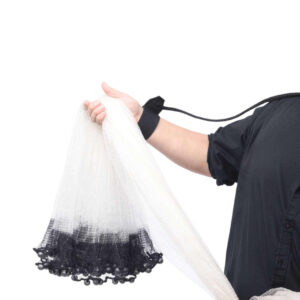
A clean horn and braille setup reduces tangling and keeps the net operating smoothly. Ease of use ties everything together. If the net feels balanced in your hands, you will throw it better and more consistently over time. Every saltwater cast net should be built around how it performs in real conditions, from the mesh size to the weight distribution and construction quality. Explore our cast net features page for a full breakdown of what to look for when choosing a saltwater net.
Matching Your Saltwater Cast Net to Target Bait
A saltwater cast net should always match the bait you are targeting. Different bait species require different setups. Shrimp and small baitfish need a smaller mesh to keep them from slipping through and to reduce damage. Larger bait, such as mullet, requires a larger mesh and faster sink rates. Water conditions also play a role. In clear water, bait reacts quickly, so timing and accuracy matter more. In murky water, positioning and coverage become more important. Matching your net to these factors improves your results and reduces wasted throws.
A net that is set up correctly for the bait you are after will consistently produce better catches. Matching your net to the right bait is just as important as choosing the correct mesh size and weight for your conditions. Read our guide on how to choose your live bait for saltwater fishing for practical advice on matching bait to your target species and conditions.
Common Mistakes When Using a Cast Net for Saltwater Fishing
Most problems with a cast net for saltwater fishing come from setup and technique. Using the wrong mesh size for your target bait limits what you can catch. A net that is too heavy or too large for your experience level makes it harder to throw consistently. Poor technique leads to incomplete spreads, which reduces your chances of surrounding bait. Rushing the throw is another common issue.
A controlled motion produces better open and more reliable results. Maintenance is often ignored. Saltwater left on the net will break down materials over time. Rinsing and drying the net after use helps extend its life and keeps it performing the way it should. Read our guide on how to throw a cast net for step-by-step instructions on achieving a full, clean spread with every cast.
Frequently Asked Questions About The Best Cast Nets For Saltwater
What size cast net is best for saltwater beginners?
A 6 to 8-foot radius net is usually the best starting point. It gives enough coverage to catch bait while staying manageable during the learning phase. Larger nets can feel heavy and harder to control until your technique improves.
How long does a saltwater cast net typically last?
With proper care, a quality saltwater cast net can last several seasons. Rinsing it with fresh water after each use and storing it dry helps prevent material breakdown and extends its lifespan.
Can you use a freshwater cast net in saltwater?
You can, but it is not recommended for long-term use. Saltwater accelerates wear on materials that are not built for it, which can lead to faster damage and reduced performance over time.
What is the best time of day to use a cast net for saltwater fishing?
Early morning and late afternoon are often the most productive times. Bait tends to gather near the surface during these periods, making it easier to locate and target with a cast net.
How do you keep bait alive after catching it with a saltwater cast net?
Use a well-aerated livewell and avoid overcrowding. Matching water temperature and salinity to the environment where the bait was caught also helps keep the bait active longer.
Is the handline or horn design important in a saltwater cast net?
Yes. A well-designed horn helps keep lines organized and reduces tangling during the throw. This leads to more consistent spreads and fewer issues while using the net.
How heavy should a saltwater cast net feel when throwing?
It should feel balanced, not overly heavy. If the net feels difficult to control or strains your arm during repeated throws, it may be too heavy for your current skill level.
Can wind affect how a cast net opens in saltwater?
Yes. Wind can impact the spread and accuracy of your throw. Adjusting your angle and timing helps maintain a full open even in less ideal conditions.
Do different saltwater regions require different cast nets?
Yes. Factors like water depth, current strength, and bait species vary by location. Choosing a net that matches local conditions improves overall performance.
How do you transport a saltwater cast net without tangling it?
Coiling the handline neatly and securing the net in a bucket or bag helps prevent tangles. Keeping it organized between uses saves time and frustration on the water.