What Makes the Best Cast Net for Kids
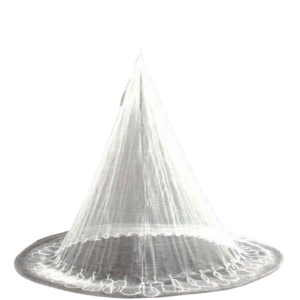
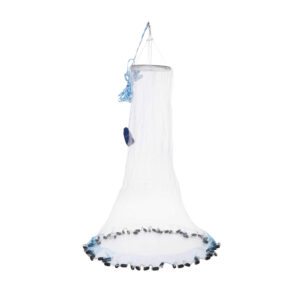
The best cast net for kids is one that is easy to control and performs well in real fishing conditions. Nets that are too large or heavy make it harder to learn and often lead to poor throws. A properly sized kids’ cast net helps young anglers focus on how the net opens, lands, and retrieves. Most kids do well with a 3 to 5-foot net. This size offers enough coverage while staying manageable. Lighter weight also helps reduce fatigue, allowing for more practice and better consistency over time. A well-built net opens evenly and sinks properly, leading to cleaner spreads and better bait catches. Durability matters too. Reinforced mesh and solid construction help the net hold up through repeated use, giving kids a consistent experience as they improve.
Why a Kids’ Cast Net Should Be Smaller and Easier to Handle
A kids’ cast net should match the user’s strength and coordination. Starting with a smaller, easier-to-handle net allows young anglers to build the right habits from the beginning.
Better Control Leads to Better Technique
Control is what allows a cast net to open properly. When a net is too large, kids tend to rush the throw or lose their grip during release. This leads to incomplete spreads and tangled mesh. A smaller kids’ cast net gives them control over each step of the throw. With better control, they can focus on timing and hand placement. These are the fundamentals that carry over as they move to larger nets. Learning this early makes a noticeable difference in long-term performance.
Reduced Fatigue Keeps Kids Engaged
Fatigue affects technique quickly. A heavy net may work for a few throws, but after that, the form starts to break down. Kids begin to compensate by using less controlled motions, which leads to poor results. A lighter net allows them to keep practicing without wearing out. More throws mean more opportunities to improve. Keeping the experience positive is important, especially for beginners. If the net is easy to use, they are more likely to stick with it and keep learning.
How to Choose the Right Child Cast Net for Beginners
Choosing the right child cast net involves more than just picking the smallest option available. Read our guide on how do I choose the right cast net to understand how radius, weight, and mesh work together to match a net to your child’s ability and fishing environment.
Start with the Right Radius
Radius determines how wide the net opens. For most beginners, a 3 to 4 foot radius works well. It is large enough to cover bait schools but small enough to manage without difficulty. As the child becomes more comfortable, they can move up in size. Starting too large often leads to poor technique that is harder to correct later.
Understand Weight per Foot
Weight per foot controls how fast the net sinks and how well it opens. A moderate weight is ideal for beginners. It provides enough pull to create a full spread without being difficult to throw. Too little weight can cause the net to float and close improperly. Too much weight makes it hard to control. Finding the right balance helps kids see consistent results, which is key for learning.
Selecting a Small Cast Net for Children Based on Bait Type
A small cast net for children still needs to match the type of bait being targeted. Mesh size and weight both affect how effective the net will be in different situations.
Match Mesh Size to Target Bait
Mesh size determines what the net can hold. A smaller mesh is better for bait like minnows or small shrimp because it prevents them from slipping through. Larger mesh works for bigger bait and is easier to throw. Using the wrong mesh size can lead to missed bait, even if the throw is good. Matching the mesh to the bait helps kids get better results from each cast.
Consider Fishing Environment
Most kids start fishing from docks, shorelines, or shallow water. These areas require a net that is easy to throw and retrieve. A smaller net works well in tight spaces where control matters more than coverage. In these environments, a manageable net helps avoid snags and makes retrieval easier. This keeps the focus on learning instead of dealing with problems during use. For parents getting kids started in inshore saltwater environments, read our guide on springtime fishing in the Everglades for tips on targeting bait in shallow coastal waters.
Best Youth Cast Net Options from Fitec
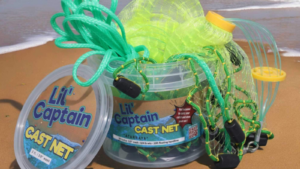
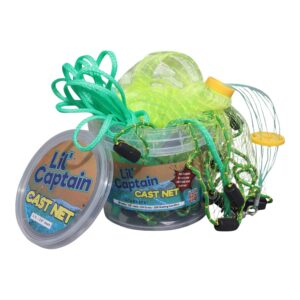
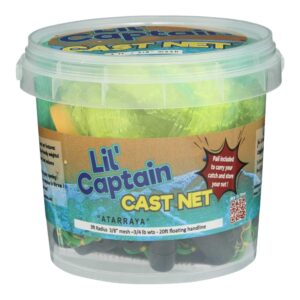
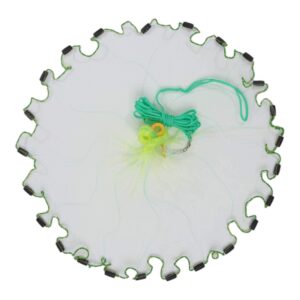
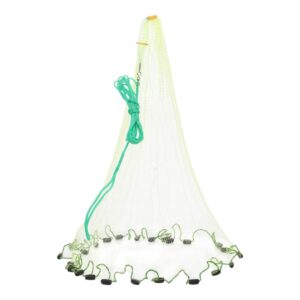
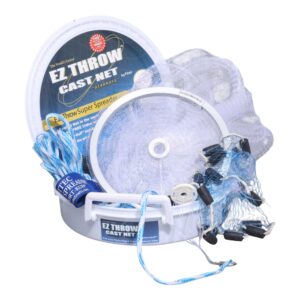
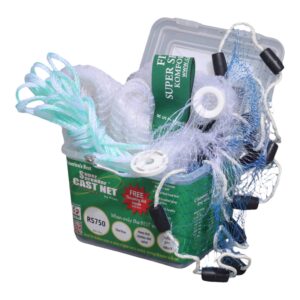
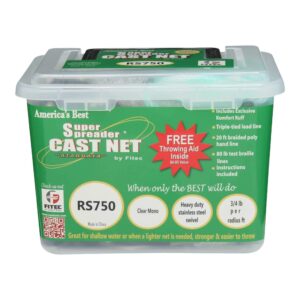
The Fitec Lil’ Captain is Fitec’s dedicated youth net and the recommended starting point for young anglers. Available in 3- and 4-foot radius options, it uses non-lead weights and a 3/8″ mesh suited to bait in the 3–6″ range. It is built for shallow water and light enough to throw consistently without wearing kids out. Your lil’ angler will be throwing a perfect pancake in no time. The Lil’ Captain is designed to perform the same way in the water as it does during practice:
- Non-lead weight system: manageable for smaller throwers without sacrificing a clean, full spread
- 3- and 4-foot radius: sized to match a child’s reach and build proper throwing mechanics early
- 3/8″ mesh: suited for bait in the 3–6″ range; holds target baitfish without unnecessary drag
- Shallow-water construction: optimized for the docks, shorelines, and flats where most kids get started
- Built from the same Fitec standards: durable mesh and solid construction designed for repeated use
Young anglers can rely on the Lil’ Captain to perform consistently, which helps reinforce proper technique over time. A net that behaves the same way on every throw lets kids focus on improving their mechanics instead of compensating for unpredictable gear.
Important Features in a Kids’ Cast Net and a Youth Cast Net
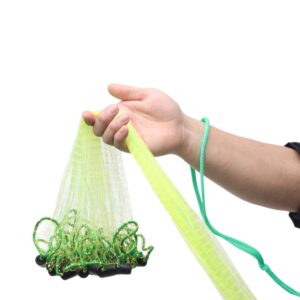
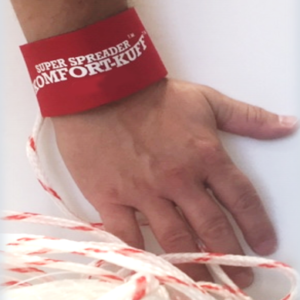
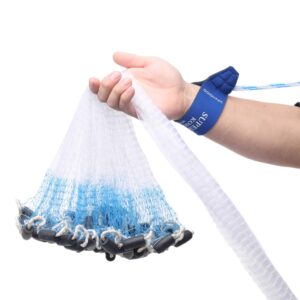
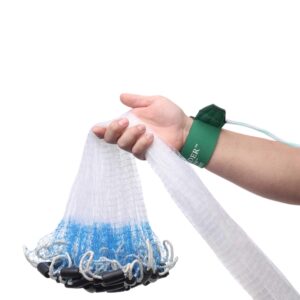
A kids’ cast net or youth cast net should be built with features that support both learning and performance. Material strength is one of the most important factors. Strong mesh and reinforced seams help the net handle repeated use without breaking down. This is especially important for beginners who are still developing control. The hand line should be comfortable and secure. A good grip allows for better control during both the throw and the retrieval. If the line is difficult to handle, it can affect timing and overall performance.
The horn design also plays a role in how the net releases. A well-formed horn helps the net open smoothly, which leads to more consistent spreads. Combined with proper weight distribution, this creates a predictable result with each throw. Consistency is what helps young anglers improve. When the net behaves the same way each time, it becomes easier to identify what is working and what needs to be adjusted. This leads to steady progress and better results on the water.
How to Teach Kids to Use a Child Cast Net Properly
Teaching a child to cast a net starts with simple, repeatable steps. Begin by showing how to hold the net and position the hand line. Keep the explanation clear and focused on one part of the process at a time. Practice on land first. This allows kids to learn the motion without worrying about where the net lands. Once they understand the basic movement, move to the water and focus on short, controlled throws. Encourage them to pay attention to how the net opens. A full, round spread is the goal. If the net does not open properly, adjust hand placement or timing instead of adding more force.
Repetition is what builds skill. Regular practice with a manageable net leads to better control and more consistent results. Over time, kids will develop their own rhythm and improve naturally. Teaching a child to cast a net starts with simple, repeatable steps, and having a clear reference makes the learning process easier for both parent and child. Read our guide on how to throw a cast net for step-by-step instructions that beginners of any age can follow to develop a full, clean spread.
When to Upgrade from a Youth Cast Net to a Full-Size Net
A youth cast net is designed to help build skill, but there comes a point when a larger net becomes more practical. One of the clearest signs is consistent performance. If the angler can open the net fully on most throws and handle retrieval without difficulty, they may be ready for more coverage. Strength and control both matter. A larger net requires more effort, so the transition should be gradual. Moving up in size step by step helps maintain proper technique while increasing effectiveness.
Another factor is fishing conditions. If the angler is targeting larger bait schools or fishing in open water, a bigger net can improve efficiency. The key is to upgrade at the right time, not too early. A well-timed transition allows the angler to continue improving without losing the foundation they have built. The same principles apply with a larger net, but the added size provides more coverage and better results once they are ready for it.
Frequently Asked Questions About The Best Cast Net For Kids
What size cast net is best for kids starting out?
A 3 to 4-foot radius is a strong starting point. It gives enough coverage to catch bait while staying easy to control for beginners.
Can kids use a regular adult cast net?
Most kids struggle with adult nets due to weight and size. Starting with a kids’ cast net helps them learn proper technique before moving up.
What is the best material for a child’s cast net?
Monofilament mesh is common because it is durable and performs well in the water. Reinforced stitching adds strength for repeated use.
How do I know if a cast net is too heavy for my child?
If they cannot complete a full throw or get tired after a few attempts, the net is too heavy. A proper net allows multiple throws with consistent form.
Is a youth cast net good for both freshwater and saltwater?
Yes, as long as it is rinsed after saltwater use. The same net can be used in both environments with proper care.
How long does it take for kids to learn how to throw a cast net?
Most kids start getting consistent results after a few practice sessions. Improvement depends on repetition and using the right size net.
Should kids wear gloves when using a cast net?
Gloves can help prevent rope burn and improve grip, especially during longer practice sessions or when retrieving heavier loads.
What type of bait can kids catch with a small cast net for children?
They can catch minnows, shrimp, and small baitfish, depending on the mesh size. Matching the net to the bait improves success.
How often should a kids’ cast net be replaced?
With proper care, a quality net can last several seasons. Replacement depends on wear, damage, and how frequently it is used. Common questions about net care, setup, and use come up regularly for new anglers and their families. Visit our Fitec FAQs page for clear answers to the questions kids and parents ask most often about getting started with a cast net.
Can a child cast a net be used from a boat?
Yes, but space should be considered. Smaller nets are easier to manage in tighter areas like small boats or crowded docks.