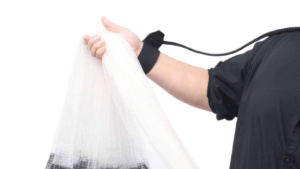
What Makes the Best Cast Net for Shrimp and Shrimping Success
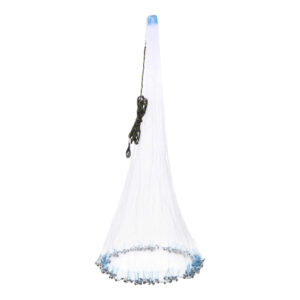
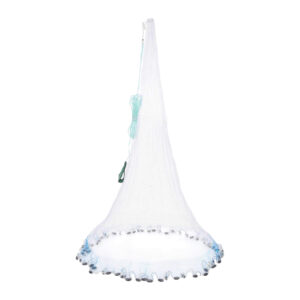
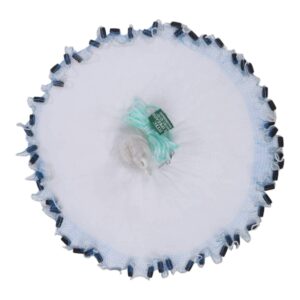
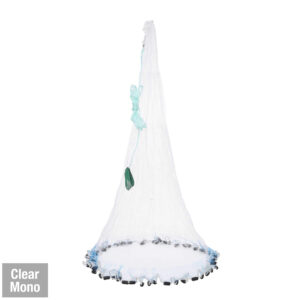
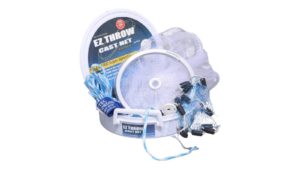
The best cast net for shrimp is built for consistent bait capture in real conditions. Shrimp are smaller and stay near the bottom, so the net needs to open fully, sink quickly, and use mesh that keeps them from slipping through. Shrimp are one of the most versatile live bait options for saltwater fishing, and understanding how to use them effectively can make a real difference in your results. Read our guide on how to choose your live bait for saltwater fishing for practical advice on matching bait to species and conditions.
Balance is key. A well-balanced net spreads evenly and covers more water with each throw. If it does not open properly, even a good cast will miss bait. Durability matters just as much. Shrimping involves repeated throws around structure and uneven bottom, so strong materials and reinforced construction help the net hold up over time.
Mesh size and weight complete the setup. A smaller mesh keeps shrimp in the net, while proper weight helps it reach the bottom before they scatter. When these elements work together, performance stays consistent and reliable.
How to Choose the Right Shrimp Cast Net for Your Fishing Style
Choosing the right shrimp cast net depends on where you fish and how well you can control the net. Matching your net to your environment is one of the most important steps toward consistent results. Read our guide on how do I choose the right cast net to find the size, weight, and mesh configuration that fits your shrimping style and location.
Matching Net Size to Your Environment
Smaller nets work better in tight areas like docks and shorelines, while larger nets cover more water in open spaces. Use a size you can throw cleanly every time — one that maintains proper spread and steady control through changing conditions.
Choosing a Net You Can Throw Consistently
A balanced net is easier to handle and opens more reliably. A net that feels difficult to control will limit your spread and reduce your catch — especially during longer sessions when conditions are changing.
Best Mesh Size for a Cast Net to Catch Shrimp Effectively
Mesh size determines how well your net holds shrimp once it lands. It is one of the most important decisions when selecting a cast net for shrimp.
Why Smaller Mesh Works for Shrimp
Shrimp are small and flexible, which makes them easy to lose with larger mesh. A mesh size between 3/16 inch and 1/4 inch is commonly used because it prevents shrimp from slipping through while still allowing the net to move efficiently in the water.
A 3/16 inch mesh is ideal when targeting smaller shrimp or fishing in areas where bait size varies. It provides better retention and reduces loss during retrieval. For slightly larger shrimp, a 1/4 inch mesh can still perform well while offering a bit less resistance in the water.
Balancing Mesh Size with Sink Speed
Smaller mesh increases water resistance, which can slow the sink rate if the net is not properly weighted. This is where design and construction matter. A well-built shrimp cast net balances mesh size with enough lead weight to maintain a steady, controlled drop. The net should reach the bottom quickly without collapsing or losing its shape. When this balance is correct, you get both effective bait retention and consistent performance.
Ideal Weight and Performance of a Shrimping Cast Net
Weight influences how quickly the net sinks and how effectively it closes around shrimp. It also affects how manageable the net feels during repeated use.
Finding the Right Lead Line Weight
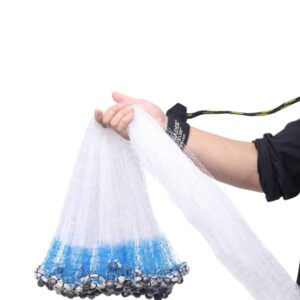
Most shrimping cast nets range from 1 to 1.5 pounds of lead per foot. Lighter nets are easier to throw and work well in shallow water with minimal current. They are a good option for beginners or for situations where shrimp are closer to the surface.
Heavier nets sink faster and are more effective in deeper water or stronger currents. They help the net reach shrimp before they can move away. However, they require more control and can be tiring over long sessions if the net is not properly balanced.
Performance in Real Conditions
A shrimping cast net needs to perform consistently across different conditions. Wind, current, and varying depths all affect how the net behaves in the water. Proper weighting keeps the net stable as it sinks and helps maintain a full spread. That stability is what allows the net to close effectively around shrimp. A net that only performs well in calm conditions will limit your results everywhere else. Consistent performance in real environments is what makes a noticeable difference over time.
When to Use a Cast Net for Live Shrimp in Different Conditions
Using a cast net for live shrimp is most effective when you understand how shrimp move and where they tend to gather. Timing and location both play a role in improving your results.
- Early morning and late evening are productive periods. Shrimp are more active and often move into accessible areas during lower light conditions.
- Tidal movement helps concentrate shrimp. Incoming and outgoing tides push them into channels, along grass lines, and around structures.
- Structure provides protection and feeding opportunities. Docks, piers, seawalls, and shallow flats are all areas where shrimp tend to gather.
- Water clarity changes your approach. In clear water, accurate placement becomes more important. In lower visibility, covering a larger area can be more effective.
- Depth influences net choice. Shallow areas allow for lighter nets, while deeper water or stronger currents require a heavier cast net to reach shrimp before they scatter.
Shrimp are effective bait across both saltwater and freshwater environments, particularly during fall when fish are actively feeding. Read our guide on fall freshwater fishing catfish and live bait for seasonal tips on using live bait to target freshwater species.
How to Throw a Cast Net to Catch Shrimp with Better Results
Throwing a cast net to catch shrimp requires control, timing, and a consistent setup. The goal is to achieve a full spread that lands flat on the water, covering as much area as possible.
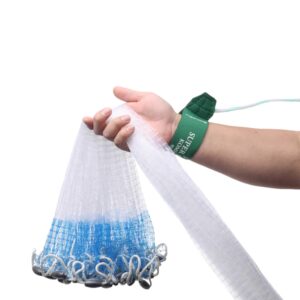
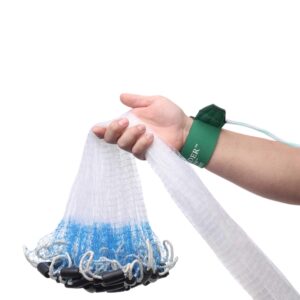
Start by organizing the net properly. Hold the horn securely and gather the lead line evenly so it releases without tangling. A clean setup makes a noticeable difference in how the net opens. Use your body to generate the throw rather than relying only on your arms. A smooth rotation helps create a wider spread with less effort. The motion should feel controlled, not forced.
Placement is just as important as technique. Focus on areas where shrimp are likely to be holding, such as edges of structure or changes in depth. A well-placed throw over likely holding water will consistently outperform blindly covering open areas. With practice, the process becomes more natural. Consistent throwing technique is one of the most important skills for improving your shrimping results over time. Read our guide on how to throw a cast net for step-by-step instruction on achieving a full, clean spread with every cast.
Key Features to Look for in a High-Quality Shrimp Cast Net
A high-quality shrimp cast net is defined by how it performs over time. Strong materials help the net withstand repeated use in demanding conditions. Reinforced stitching adds durability, especially in areas that handle the most stress.
Balanced weight distribution is another key feature. It allows the net to open smoothly and land with a full spread, improving coverage and increasing the number of shrimp captured per throw.
Clear sizing and mesh options also matter — matching your net to the bait and conditions you are fishing makes the entire process more efficient. Good design focuses on function. Every component should support consistent performance without requiring constant adjustment.
Why the Best Cast Net for Shrimp Improves Your Catch Rate
The best cast net for shrimp improves your catch rate by making each throw more effective. A full spread increases coverage, proper weight improves sink speed, and a smaller mesh keeps more shrimp inside the net. These factors work together to reduce the number of throws needed to gather bait — so you spend less time correcting poor performance and more time locating shrimp and making accurate casts.
Consistency is what drives results. When your net performs the same way every time, it becomes easier to refine your approach and adjust to changing conditions. Over time, that efficiency adds up. Fewer missed throws, better bait retention, and reliable performance all add up to a higher catch rate and more productive time on the water.
Frequently Asked Questions About The Best Cast Net for Shrimp
What size cast net is best for shrimp?
A net between 6 and 10 feet in radius works well for most shrimping situations. Smaller nets are easier to control in tight areas, while larger nets cover more water in open locations.
Can you use a regular cast net for shrimp?
You can, but it is not ideal. A standard net often has a larger mesh, which allows shrimp to escape. A shrimp-specific cast net is designed to retain smaller bait more effectively.
What water depth is best for shrimping with a cast net?
Shrimp are commonly found in shallow to moderately deep water, typically between 2 and 10 feet. Depth can vary based on tides, temperature, and structure.
Do you need a license to catch shrimp with a cast net?
In many areas, a fishing license is required. Regulations vary by location, so always check local rules before heading out.
How do you keep shrimp alive after catching them?
Place shrimp in a live well or bucket with aerated water. Keeping the water cool and clean helps maintain their condition.
What time of year is best for shrimping?
Shrimping is often most productive during warmer months when shrimp are more active. Seasonal patterns vary by region, so local knowledge helps.
Can you use a cast net for shrimp from a boat?
Yes, a cast net works well from a boat. It allows you to reach areas that are not accessible from shore and follow shrimp as they move with the tide.
How long does a shrimp cast net typically last?
A well-made net can last for years with proper care. Rinsing after use and storing it dry helps prevent damage and extends its lifespan.
What color cast net is best for shrimp?
Most nets are neutral or transparent to reduce visibility in the water. This helps avoid spooking shrimp before the net lands.
Is shrimping with a cast net difficult to learn?
It takes practice, but most anglers can learn the basics quickly. Consistency improves with time, especially when using a net that opens reliably.