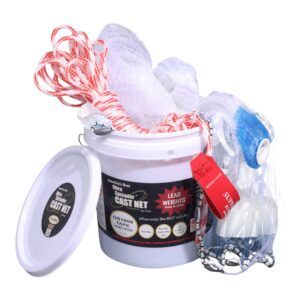
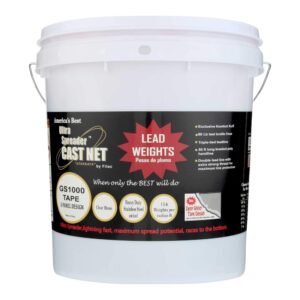
What Is a Saltwater Cast Net and How Does It Work
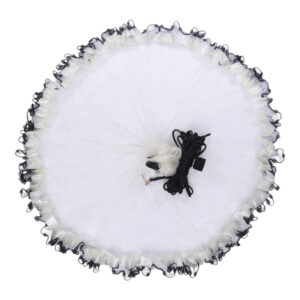
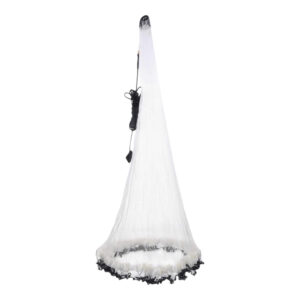
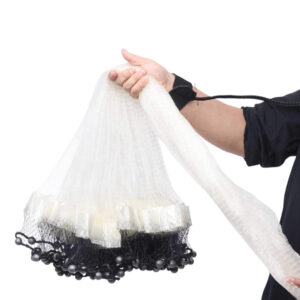
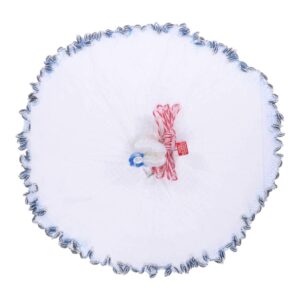
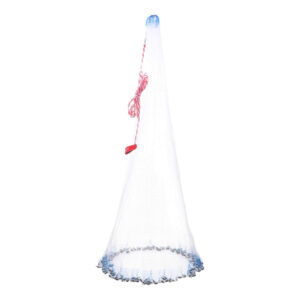
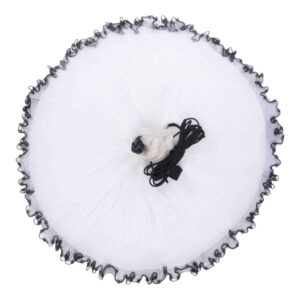
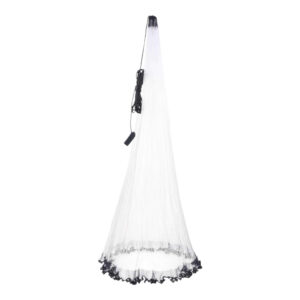
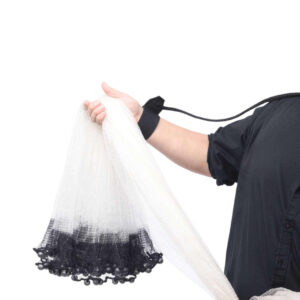
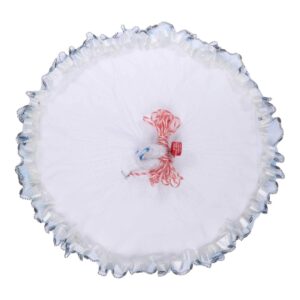
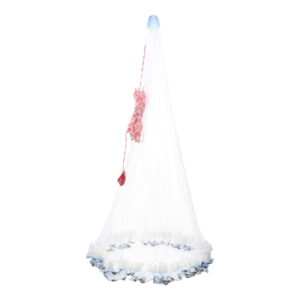
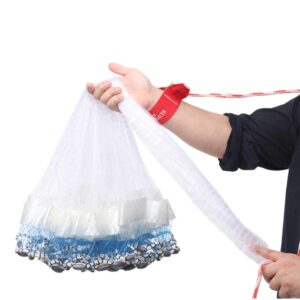
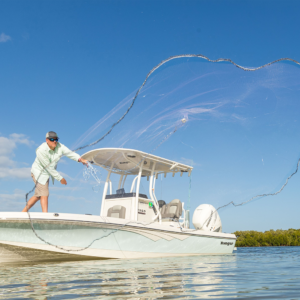
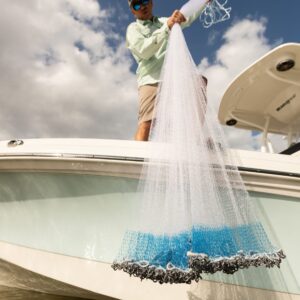
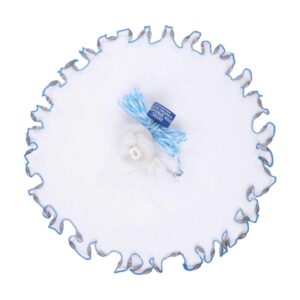
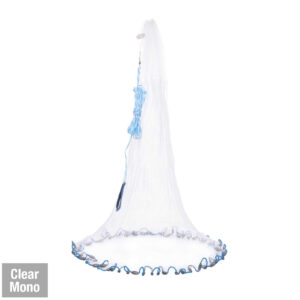
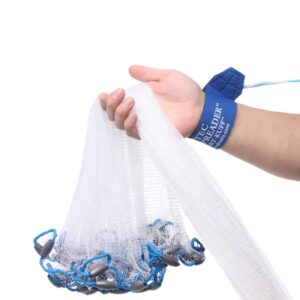
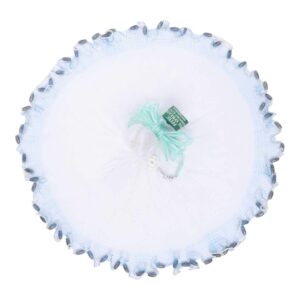
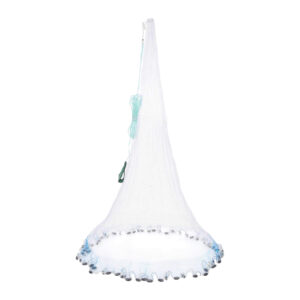
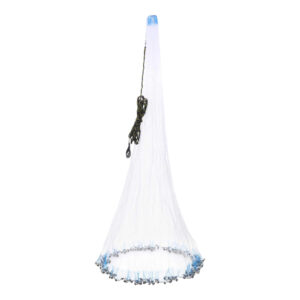
A saltwater cast net is designed to catch live bait efficiently in coastal and inshore environments. It is built in a circular shape with evenly distributed weights along the edge. When thrown correctly, the net opens into a full spread, sinks quickly, and closes around bait as it reaches the desired depth.
Performance depends on how well the net opens and how fast it sinks. In saltwater conditions, bait often moves with current, tide, and structure, so timing and placement matter. A properly balanced net allows for consistent throws, which leads to more reliable bait capture. The goal is to gather usable bait in fewer throws, so more time is spent fishing instead of searching. Read our guide on fishing for mackerel in the Florida Keys to see how live bait collection fits into a productive saltwater fishing strategy.
How to Choose the Right Cast Nets for Saltwater Fishing
Choosing the right cast nets for saltwater fishing comes down to matching your net to your fishing environment and your level of experience. The wrong size or weight can limit how well the net opens and how effectively it sinks.
Net Size and Control
Net size is measured by radius, which determines how much water you can cover with each throw. Larger nets cover more area but require more control and proper technique. Smaller nets are easier to handle and are often the better option for anglers still developing their throwing motion.
A net that opens fully consistently outperforms a larger net that does not. Consistency matters more than size alone. If you can throw a smaller net cleanly every time, you are more likely to catch more bait. Explore our cast net features page for a full breakdown of what to look for when choosing a saltwater net.
Weight and Sink Rate
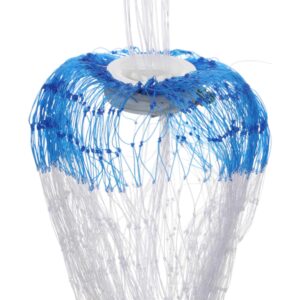
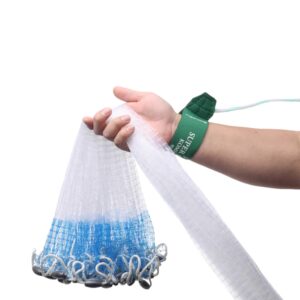
Weight per foot affects how quickly the net sinks and how well it traps bait. Heavier nets are better for deeper water and fast-moving bait because they reach the target depth quickly. Lighter nets are useful in shallow areas where a slower sink helps avoid disturbing bait. Balanced weight distribution is just as important as total weight. Even spacing allows the net to open evenly and close properly. This improves both efficiency and reliability in real fishing conditions.
Why a Monofilament Saltwater Cast Net Is a Reliable Choice
A monofilament saltwater cast net is commonly used in saltwater because it offers a balance of visibility, strength, and handling. It performs well in a wide range of conditions and is suitable for both new and experienced anglers.
Low Visibility in Clear Water
Monofilament material is less visible underwater, which helps when targeting bait in clear or shallow water. Baitfish are quick to react to movement and shadows, so reducing visibility gives you a better chance of getting close before throwing. This matters most on flats, along shorelines, and in calm water where visibility is high. A less visible net allows for more natural presentations and better results.
Strength and Practical Use
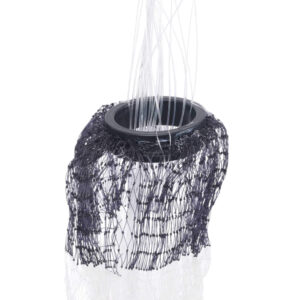
Monofilament is strong enough to handle repeated throws and typical saltwater wear. It also remains flexible, which makes it easier to manage during setup and retrieval. A well-built monofilament net maintains its structure over time. Reinforced connections and quality materials help it handle regular use without losing performance. This makes it a dependable option for anglers who use their nets frequently.
Features of the Best Cast Nets for Saltwater Anglers
The best cast net saltwater anglers rely on is built with features that support consistent performance in real conditions. Design and construction both play a role in how the net behaves in the water.
Consistent Opening and Spread
A net that opens fully provides better coverage and reduces gaps where bait can escape. This comes from proper balance and weight placement. When the net behaves the same way on each throw, it becomes easier to predict results and improve technique. Consistency allows anglers to focus on positioning instead of adjusting for uneven performance. Over time, this leads to more efficient bait collection.
Durable Construction for Repeated Use
Saltwater environments include rough surfaces, strong currents, and repeated use. Nets built with reinforced stitching and durable materials are better suited for these conditions. Durability affects both lifespan and performance. A net that holds its shape and strength after repeated throws will continue to perform as expected. This reduces the need for frequent replacement and supports long-term use.
Selecting a Saltwater Fishing Cast Net for Different Conditions
Choosing a saltwater fishing cast net requires adjusting your setup based on where and how you fish. Conditions can vary between locations, and your net should match those changes.
- Shallow water calls for lighter nets that sink more gradually and land with less disturbance. This helps avoid spooking bait in clear conditions.
- Deeper water benefits from heavier nets that reach the target depth quickly and maintain their spread as they sink.
- Strong current requires enough weight to keep the net controlled as it moves through the water.
- Areas with structure, such as docks, bridges, or rocks, are easier to fish with nets that offer better control during retrieval.
- Open water allows for larger nets that can cover more area, provided the angler can throw them effectively.
- Target bait size also matters. Smaller bait requires a tighter mesh, while larger bait can be caught with a wider mesh that allows for faster sinking.
Always check your state’s fishing regulations before using a cast net, as size restrictions and permitted use vary by location.
Selecting a net based on these conditions helps improve efficiency and reduce unnecessary effort. The right setup supports better results without relying on adjustments during each throw.
Matching Cast Nets for Saltwater to the Right Bait Species
Matching cast nets for saltwater to your target bait species improves both efficiency and consistency. Different bait types behave differently, and your net should reflect that. Small bait, such as pilchards or shrimp, requires a smaller mesh to prevent escape. Larger bait, such as mullet, can be caught with larger mesh, which also reduces resistance and allows the net to sink faster. Some bait stays near the surface, while other species move closer to the bottom. Using the correct net helps you reach the right depth and contain the bait effectively. Read our guide on how to choose your live bait for saltwater fishing for practical advice on matching bait to your target species and conditions.
Understanding Mesh Size and Weight of a Saltwater Cast Net
Mesh size and weight directly influence how a saltwater cast net performs in the water. These two factors determine sink speed, closure, and the type of bait you can catch. They also influence how easily the net opens during the throw and how smoothly it lands over a bait school. In changing conditions, the right mesh and weight combination helps maintain control, especially when current, depth, and bait size shift from one spot to the next during a trip, improving consistency and overall performance across different fishing situations.
A smaller mesh creates more drag, which slows the sink rate but improves containment for small bait. Larger mesh reduces drag and allows the net to sink faster, which is useful in deeper water or when targeting larger bait. Weight works with mesh size to control how the net moves through the water. A properly matched combination allows for better timing and more effective throws. This leads to more consistent bait capture over time.
Getting Better Results with the Best Cast Net Saltwater Setups
Getting better results with the best cast net saltwater setup comes from combining the right net with consistent technique. Equipment plays a role, but how it is used matters just as much. Practice improves how the net opens and where it lands. Clean, controlled throws lead to full spreads and better coverage. Over time, small adjustments in grip and timing can improve performance. Read our guide on how to throw a cast net for step-by-step instructions on achieving a full, clean spread with every cast. Using a net designed for real saltwater conditions supports this process. Balanced weight, durable materials, and consistent behavior allow anglers to focus on placement and timing. Reliable gear removes variables and makes it easier to develop repeatable results.
Frequently Asked Questions About Saltwater Cast Nets
What size saltwater cast net should a beginner start with?
A smaller net, typically between 4 and 6 feet in radius, is easier to control and helps build proper throwing technique. Once consistency improves, moving to a larger net makes sense for increased coverage.
How long does a saltwater cast net typically last?
Lifespan depends on how often it is used and the conditions it is exposed to. Nets used around rocks, docks, and heavy structures may wear faster. With proper care and rinsing after use, a quality net can last multiple seasons.
Can a saltwater cast net be used in freshwater?
Yes, a saltwater cast net can be used in freshwater. However, saltwater nets are often built for heavier conditions, so they may feel slightly heavier than nets designed specifically for freshwater use.
What is the best time to use a saltwater fishing cast net?
Early morning and late afternoon are typically productive times since baitfish are more active and visible. Tidal movement also plays a role, as moving water tends to concentrate bait in predictable areas.
How do you maintain a monofilament saltwater cast net?
Rinse the net with fresh water after each use to remove salt and debris. Allow it to dry fully before storing to prevent weakening of the material and to extend its usable life.
Why does my cast net not open fully?
This usually comes down to technique, uneven weight distribution, or tangles in the net. Practicing a consistent throwing motion and checking for twists before each throw can improve performance.
Is a heavier net always better for saltwater fishing?
Not always. Heavier nets sink faster, but they can be harder to throw and control. The right weight depends on water depth, current, and the type of bait being targeted.
How do tides affect cast net performance?
Tides influence bait movement. Incoming and outgoing tides often push bait into channels, shorelines, and structure, making it easier to predict where to throw your net.
Can you repair a damaged saltwater cast net?
Minor tears and broken lines can often be repaired with proper net mending techniques. Addressing small issues early helps prevent larger damage and extends the life of the net.
What makes the best cast net saltwater anglers prefer different from basic nets?
Higher-quality nets are built with better materials, balanced weighting, and reinforced construction. These factors improve how the net opens, sinks, and holds up under repeated use.