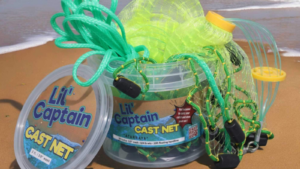
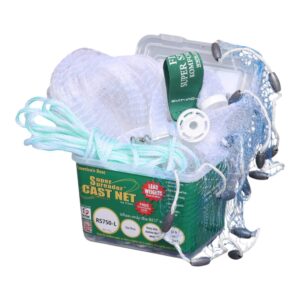
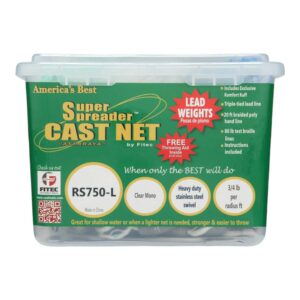
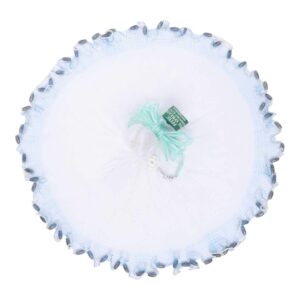
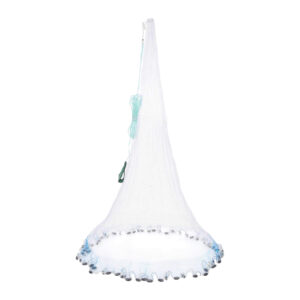
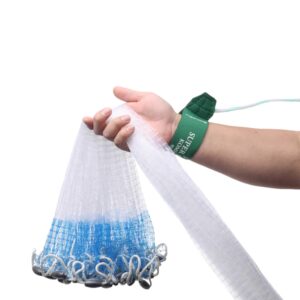
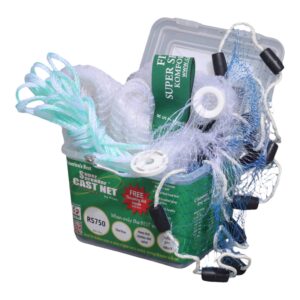
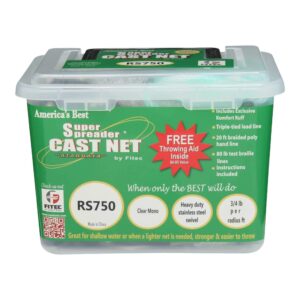
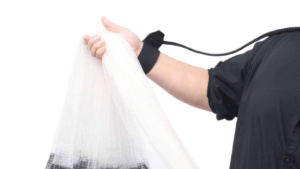
Choosing the Right Small Mesh Cast Net for Minnows
Catching minnows starts with the right mesh. If the openings are too large, bait slips through. A small mesh cast net for minnows holds smaller shad, shiners, and juvenile bait where standard mesh cannot; learn more about how to choose your live bait for saltwater fishing to match bait selection to your target species.
Sink speed matters just as much. Minnows react quickly to shadow and splash. A properly weighted net drops fast and opens fully, covering the school before it scatters. Net size should match your experience and fishing environment — read our guide on how to choose the right cast net to find the radius and weight that fits your fishing style. A clean, full spread with a manageable radius will outproduce a larger net that does not open correctly.
Durability is key with fine mesh. Reinforced netting and balanced lead distribution help your minnow bait net perform consistently around docks, grass lines, and shallow flats; explore our full breakdown of cast net features and mesh sizes to understand what separates quality nets from basic options. The right setup comes down to three things: tight mesh, balanced weight, and a net you can throw cleanly.
Why Mesh Size Makes or Breaks Your Throw
Mesh size directly affects how many minnows you actually bring in with each cast. Too large, and the bait escapes. Too tight without proper weighting, and the net may not sink efficiently. Getting the mesh right means better spreads, faster sink rates, and more usable bait in the well.
How Small Mesh Improves Bait Retention
A small mesh cast net for minnows is designed to hold smaller bait fish like shiners, juvenile shad, and mud minnows. Standard 3/8 inch mesh often allows these smaller species to slip through. Tighter mesh reduces loss during the drop and helps prevent gilling, keeping bait healthier and more active. For anglers who depend on lively bait, mesh size is one of the most direct levers you have on bait quality.
The Impact of Mesh on Sink Rate and Spread
Mesh size also influences how a net sinks and opens. A smaller mesh creates more surface resistance in the water. Without proper lead distribution, this can slow the drop. That is why balanced weighting is critical. A well-built fine mesh cast net still sinks quickly and opens fully, giving you maximum coverage before minnows have a chance to scatter. The combination of correct mesh and proper weight is what makes each throw count.
How to Choose the Right Diameter and Weight
Choosing the correct net size for minnows is about more than coverage. If any terminology is unfamiliar, our glossary covers the key terms used across cast net fishing. Diameter and weight determine how well the net opens, how fast it sinks, and how manageable it feels in your hands. The right combination helps you throw efficiently and load bait without wasting motion.
Selecting the Right Net Diameter
Radius determines how much water you cover per throw. A larger net covers more area, but only if it opens fully. If you fish from a boat, pier, or tight creek, a moderate radius often performs better than an oversized net. A clean spread with consistent control will always outproduce a larger net that collapses or lands unevenly. Match the diameter to your experience level and fishing space.
Matching Weight to Water Depth and Current
Weight controls sink speed. In shallow freshwater ponds, lighter nets are easier to throw and retrieve. In deeper water or tidal current, additional lead helps the net reach the bait before it scatters. Minnows move fast. A properly weighted minnow net drops quickly and maintains its shape as it closes. Balanced weight distribution around the perimeter is what allows the net to open wide and descend evenly.
The Go-To Cast Net for Small Bait Fish
For many anglers, a 1/4 inch mesh cast net is the standard choice for targeting minnows and other small bait fish. It offers a strong balance between bait retention and sink speed, making it one of the most versatile options available.
Why 1/4 Inch Mesh Works for Most Minnows
A 1/4 inch mesh cast net holds common bait species such as shiners, small shad, and finger mullet without excessive gilling. The openings are tight enough to prevent escape but still allow water to pass through efficiently. This mesh size is the practical choice for anglers who want one net that handles a range of small bait fish without switching setups throughout the day.
Performance in Real Fishing Conditions
In both freshwater and inshore saltwater, 1/4 inch mesh provides dependable performance. It sinks fast when paired with proper lead weight and opens cleanly with the correct throwing technique. As a cast net for small bait fish, it performs well around grass lines, docks, creek mouths, and shallow flats — and for most anglers, it remains the most consistent everyday choice for minnow collection.
Fine Mesh Cast Net Vs. Micro Mesh Cast Net:
Both fine mesh and micro mesh options are built for small bait, but they serve slightly different purposes. The choice depends on bait size, water clarity, and how fast you need the net to sink. Here is a quick breakdown to help you decide.
Fine Mesh Cast Net
- Commonly includes 1/4 inch mesh cast net configurations
- Strong balance between bait retention and sink rate
- Works well for shiners, small shad, and finger mullet
- Versatile for both freshwater and inshore saltwater
- Easier to throw than ultra-tight mesh in deeper water
Fine mesh is often the practical choice if you want one minnow bait net that performs across multiple bait types without sacrificing sink speed.
Micro Mesh Cast Net
- Designed for very small or fragile bait
- Smaller openings than standard fine mesh
- Ideal for tiny glass minnows and juvenile bait
- Provides maximum retention in clear, shallow water
- May sink slower without additional weight
Micro mesh is more specialized — it shines when the bait is extremely small and prone to slipping through larger mesh. Choosing between fine mesh and micro mesh comes down to the average size of bait in your area. Match the mesh to the bait first, then consider water depth and current.
Matching Mesh to Local Bait Conditions
The right cast net mesh size for minnows depends on the bait in your local waters. In freshwater ponds with small shiners, tighter mesh prevents escape. On inshore flats with juvenile mullet and small shad, a 1/4 inch mesh cast net often balances retention and sink speed.
Depth and clarity also affect performance. In shallow, clear water, a fine mesh cast net that sinks fast improves coverage. In deeper water or light current, proper weight helps the net reach bait before it scatters. Match the mesh to average bait size first, then adjust weight for depth and current — that combination produces consistent results.
Minnow Net for Fishing in Freshwater and Inshore Saltwater
A minnow net for fishing must perform in different environments. Freshwater lakes and ponds often hold small, delicate bait in shallow water. Inshore saltwater brings tidal movement, grass flats, docks, and varying depths. The net you choose should match those conditions.
In freshwater, a fine mesh cast net with a manageable radius works well for targeting shiners and pond minnows around banks and structure. Lighter overall weight can make repeated throws easier in calm water. In inshore saltwater, current and depth often require more lead to reach bait quickly. A properly weighted small mesh cast net for minnows helps close the net before bait scatters across a flat or channel edge.
Your minnow net should open consistently, sink fast enough for the conditions, and retain the size of bait you are targeting. Matching mesh and weight to the water you fish will produce better throws and fuller bait tanks.
Performance Features That Matter Most
The best net for catching minnows is built for performance. Small bait requires tight mesh, fast sink rates, and a net that opens fully on every throw. Balanced weight distribution allows the net to spread wide and drop straight down, reducing escape gaps. A properly weighted small mesh cast net reaches bait quickly in shallow and moderately deep water.
Construction quality matters especially with fine mesh. Reinforced stitching and durable monofilament help the net hold its shape through repeated throws around docks and structure. Match the radius to your ability — a net you can open cleanly will always outperform one that collapses regardless of size. Tight mesh, proper weight, and controlled size make each cast more productive.
Frequently Asked Questions About The Best Cast Nets for Minnows
What is the best cast net minnow setup for beginners?
A smaller radius net with 1/4 inch mesh is typically the best starting point. It is easier to throw, opens more consistently, and still retains most small bait species without overwhelming new anglers.
What mesh size is too large for catching minnows?
Mesh larger than 3/8 inch is often too big for small shiners, juvenile shad, and similar bait. These smaller species can slip through larger openings, which cuts into your catch per throw.
How do I know if I need a micro mesh cast net?
A micro mesh cast net is useful when targeting very small or fragile bait such as glass minnows. If standard 1/4 inch mesh still allows bait to escape, micro mesh is likely the better option.
Does cast net weight matter more than mesh size?
Both matter, but for minnows, mesh size comes first. Once the mesh properly retains bait, weight becomes critical for sink speed and closing the net before bait has a chance to scatter.
What radius cast net is best for dock fishing?
For dock and pier fishing, a moderate radius net is usually more practical. Tight spaces limit large throws, so control and a clean spread matter more than maximum diameter.
Can I use the same cast net for freshwater and saltwater minnows?
Yes, if the mesh size matches the bait. A 1/4 inch mesh cast net works well for many freshwater shiners and inshore saltwater minnows, as long as the weight matches water depth and current.
How long should a cast net last with regular minnow fishing?
With proper care and rinsing after saltwater use, a quality net built with reinforced stitching and strong monofilament can last several seasons of regular bait collection.
Is heavier always better for catching minnows?
Not necessarily. Heavier nets sink faster, but they can be harder to throw repeatedly over the course of a session. The best choice balances sink speed with comfort and throwing ability.
What makes a cast net open fully during a throw?
Proper throwing technique and balanced weight distribution are key. Evenly spaced lead along the perimeter is what allows the net to spread into a full circle before descending.
Do I need different mesh sizes for different seasons?
In some areas, yes. Early season bait may be smaller, requiring tighter mesh. As bait grows later in the season, a standard 1/4 inch mesh handles most conditions effectively.