What Makes a Saltwater Fishing Cast Net Different from Standard Nets
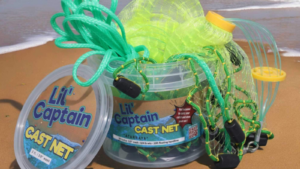
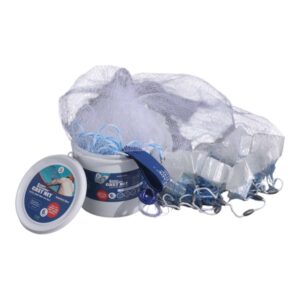
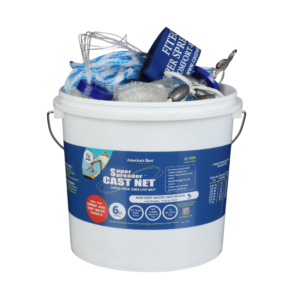
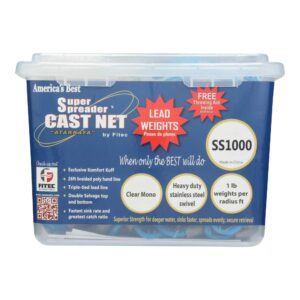
A saltwater fishing cast net is designed to handle harsher conditions than most freshwater gear. Salt, sand, currents, and repeated throws place constant stress on a net, so durability is critical. Mesh and lines need to resist abrasion from structure, sand, and repeated throws. The swivel — the single metal component on the net — is where saltwater exposure can cause the most damage. Fitec uses a stainless steel swivel, the most durable option available in a marine environment, so that connection point holds up trip after trip without corroding or seizing.
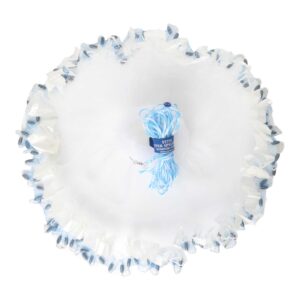
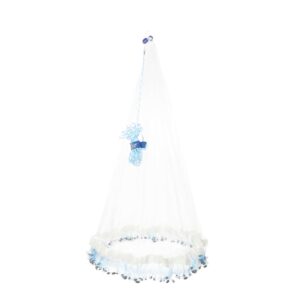
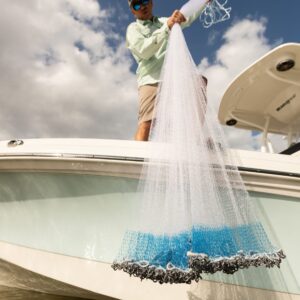
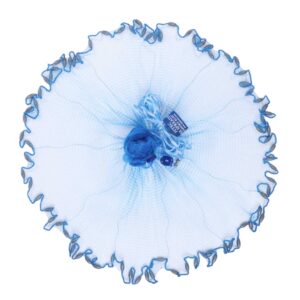
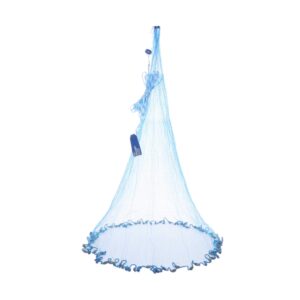
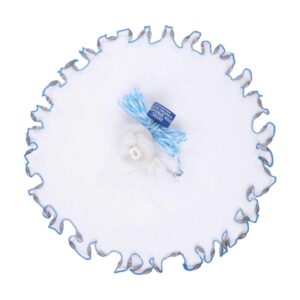
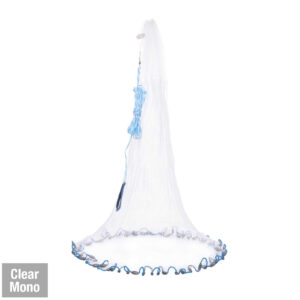
Weight balance also plays an important role. A properly designed net opens into a full circle during the throw and sinks quickly, helping trap bait before it scatters. This is especially important around docks, flats, and coastal waters where bait moves fast. Our focus is on practical performance. Reinforced materials, balanced weighting, and clear sizing options help anglers collect bait efficiently in real saltwater conditions; visit our cast net features page for a full breakdown of what to look for.
Key Features of the Best Cast Net for Saltwater
Choosing the best cast net for saltwater depends on a few practical factors. Our resource on how do I choose the right cast net walks through sizing, weight, and mesh selection in detail. Saltwater environments demand stronger materials, balanced weighting, and construction that holds up through repeated throws. Anglers collecting bait in coastal areas need a net that opens smoothly, sinks quickly, and continues performing after regular exposure to salt and sand. For anglers working coastal waters with fast-moving bait schools, our guide on fishing for mackerel in the Florida Keys shows how these nets are used in real conditions.
Durable Construction Built for Saltwater Use
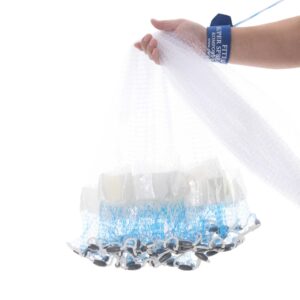
Saltwater fishing places consistent stress on mesh, lines, and hardware. Fitec cast nets use strong monofilament mesh and reinforced hand lines that resist abrasion over time. The swivel — the only metal component on the net — is stainless steel, making it the most durable choice for a marine environment. That detail matters for anglers who throw their nets repeatedly along docks, shorelines, and tidal creeks where lesser hardware would eventually corrode or fail.
Balanced Weighting for Consistent Net Spreads
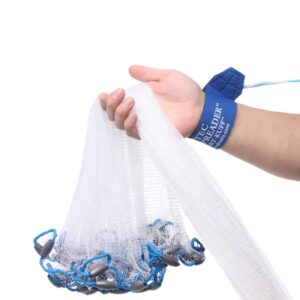
The way a net opens during the throw directly affects how much bait it can capture. Properly distributed weight helps the net spread into a wide circle before sinking, which increases coverage and improves bait collection. A well-balanced saltwater fishing cast net sinks quickly and closes efficiently around baitfish. This balance also helps anglers maintain consistent throws, especially when collecting bait in moving water or around structure.
Why Hardware Quality Matters in a Saltwater Cast Net
Ocean environments expose every piece of fishing gear to salt, abrasion, and repeated stress. For cast nets, the vulnerability point is the swivel — the metal connection at the horn that takes pressure on every throw and retrieve. Fitec uses a stainless steel swivel because it is the most corrosion-resistant material available for marine use. It won’t seize up, pit, or fail the way lesser hardware will after regular saltwater exposure. The mesh and lines are built for abrasion resistance and long-term shape retention, but the stainless steel swivel is what gives the net its durability edge in a coastal environment.
Saltwater Exposure and Long-Term Net Performance
Saltwater accelerates wear on fishing equipment. Without durable materials, mesh and lines can weaken after regular exposure to salt and sun. Fitec addresses this directly with a stainless steel swivel — the only metal component on the net and the one most vulnerable to saltwater exposure. Strong monofilament mesh and reinforced components handle the abrasion side of the equation, helping the net maintain its shape and function through frequent throws in coastal environments.
Construction That Holds Up in Coastal Conditions
Ocean fishing often involves throwing a net near rocks, docks, grass flats, or sandy bottoms; our guide to springtime fishing in the Everglades covers how anglers approach these conditions in the field. A well-built cast net for ocean fishing uses reinforced panels, durable lines, and balanced weights that handle repeated throws. This construction helps anglers keep collecting bait efficiently without worrying about early wear.
How a Heavy Duty Saltwater Net Handles Frequent Bait Collection
Anglers who collect live bait regularly need equipment that holds up through constant use. A heavy duty saltwater net is designed for repeated throws, rough surfaces, and the wear that comes from working coastal waters.
Reinforced Construction for Repeated Throws
Frequent bait collection places stress on a net’s mesh, lines, and connection points. Reinforced panels and strong monofilament help a heavy duty saltwater net maintain its shape even after repeated use. Durable stitching and secure line connections reduce the risk of failure during throws. This kind of construction is important for anglers who throw their nets multiple times during a single bait run.
Reliable Performance for Regular Bait Gathering
A net used for daily or frequent bait collection needs consistent performance. Balanced weighting helps the net open fully during the throw, which increases coverage and improves bait capture. With a properly built saltwater fishing cast net, anglers can gather bait efficiently along shorelines, docks, flats, and coastal waters without the net wearing out before its time.
Choosing the Best Mesh for Saltwater Cast Net Performance
Mesh size plays a major role in how effectively a saltwater cast net captures bait. The right mesh allows water to pass through easily while keeping the target bait contained. Choosing the correct size depends on the species being targeted and the conditions where the net will be used.
Common Mesh Options for Saltwater Cast Nets
- 3/8 inch mesh: Often used for small bait such as minnows and glass minnows. This size can also work well when shrimp are small and you are using the net specifically for shrimp collection.
- 1/2 inch mesh: A versatile option for many bait species. It is commonly used for pilchards, small mullet, and other baitfish found around docks and coastal flats.
- 5/8 inch mesh: Designed for slightly larger baitfish. This size allows water to pass through the net quickly, helping the net sink faster while still capturing bait effectively.
- 3/4 inch mesh and larger: Typically used for larger bait such as mullet or menhaden. The wider mesh helps the net drop faster, which can be helpful when targeting fast-moving bait schools.
Matching Mesh Size to Local Bait Conditions
The best mesh for saltwater cast net performance depends on the type of bait available in your area. Smaller mesh helps contain smaller bait species, while larger mesh sizes allow faster sinking for larger baitfish. Most anglers choose their mesh based on the bait they collect most often. Selecting the right mesh improves bait retention and helps the net perform efficiently during each throw.
When to Use a Saltwater Shrimp Cast Net for Bait Fishing
A saltwater shrimp cast net is designed for collecting shrimp in coastal waters, estuaries, and tidal creeks. Because shrimp are smaller than many baitfish, the net must use mesh that prevents them from slipping through. These nets typically feature smaller mesh sizes that hold shrimp while still allowing the net to sink properly during the throw. Anglers often use them around dock lights, shallow flats, and areas where shrimp gather with tidal movement. A shrimp cast net can also capture small baitfish that might escape larger mesh nets, making it a useful option in areas where smaller bait species are common.
Marine Grade Cast Net Design for Reliable Ocean Fishing
A marine grade cast net is designed to handle the constant exposure and physical demands of saltwater fishing. Strong construction and durable materials help the net maintain reliable performance through frequent use in coastal environments. Most marine grade cast nets use a tough monofilament mesh that resists abrasion and holds its shape after repeated throws. Reinforced stitching and secure panel connections help reduce the risk of tearing during bait collection. Balanced weight distribution also improves performance. A properly built cast net for ocean fishing opens smoothly, sinks evenly, and covers more water — helping anglers gather bait efficiently in coastal conditions.
Non-Lead Saltwater Cast Net and SaltX Cast Net Options
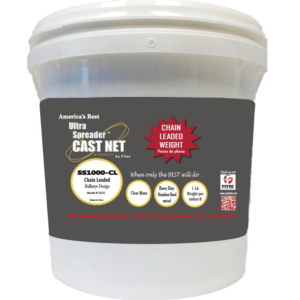
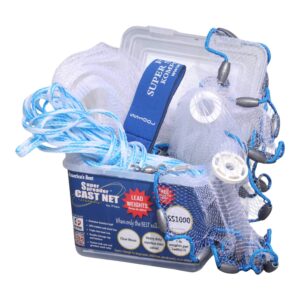
Modern anglers sometimes choose a non-lead saltwater cast net to meet environmental preferences or local regulations that limit lead weights. These nets use alternative weight materials while maintaining the balance needed for effective throws and quick sinking. The SaltX cast net line is designed for demanding coastal use, with durable materials, reinforced construction, and balanced weighting that holds up through repeated saltwater exposure. At Fitec, anglers can choose from traditional weighted nets, SaltX models, and non-lead options — all built to perform reliably during frequent bait collection in coastal waters.
Frequently Asked Questions About Our Saltwater Cast Nets
What size saltwater cast net should beginners start with?
Beginners often start with a 6- to 8-foot radius net. This size offers a good balance between coverage and control, making it easier to learn proper throwing technique without managing excessive weight.
How much weight should a saltwater cast net have per foot?
Many anglers look for nets with around 1 to 1.5 pounds of weight per foot. That range helps the net sink quickly enough to trap bait while still allowing a controlled throw.
Can a saltwater cast net be used from a pier or dock?
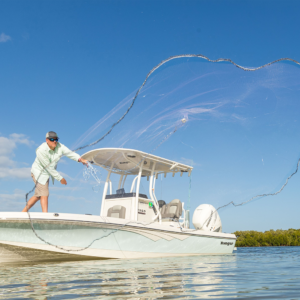
Yes. Cast nets are commonly used from docks and piers to collect baitfish that gather near lights or structure. A moderate net size with balanced weighting helps achieve a full spread in tighter spaces.
How do you maintain a saltwater cast net after use?
Rinsing the net with fresh water after each trip helps remove salt and sand. Letting it dry fully before storage also helps extend the life of the mesh and hand line.
What baitfish are commonly caught with a saltwater cast net?
Anglers often use cast nets to collect bait such as mullet, pilchards, pinfish, menhaden, and other small schooling fish common to coastal waters.
How long should a quality saltwater cast net last?
A well-built net that is properly maintained can last several seasons of regular use. Durability depends on material quality, frequency of use, and the environments where the net is thrown.
What is the difference between the hand line length options?
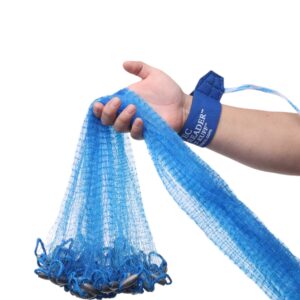
Hand line length affects how far the net can be thrown from a boat, shoreline, or dock. Longer lines offer more flexibility when throwing in deeper water or from elevated positions.
Are larger cast nets harder to throw?
Yes. Larger nets cover more water but require more skill and strength to open properly. Most anglers move to larger nets only after becoming comfortable with smaller sizes.
Can cast nets be used in deeper saltwater areas?
Cast nets work best in shallow to moderately deep water where bait schools are visible or concentrated. In deeper offshore areas, other bait collection methods are often more effective.
What is the best time of day to throw a saltwater cast net?
Early morning and evening are often productive because baitfish tend to gather near the surface and around structure during lower light conditions.