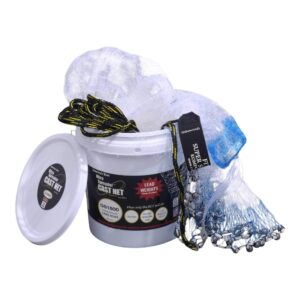
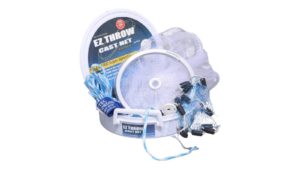
Best Cast Net for Pilchards: Features That Improve Bait Catch
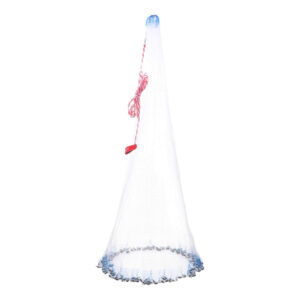
Catching pilchards consistently depends on using a net that matches how this bait behaves in the water. Pilchards move quickly, stay in tight schools, and often hold near the surface or along structure. A cast net designed for this type of bait needs to open fully, sink fast, and close cleanly without gaps.
Balanced weight distribution is one of the most important factors because it allows the net to spread evenly and descend in a controlled way. This gives you better coverage and reduces missed opportunities. Mesh size also plays a direct role. Pilchards are small, so the net needs to hold them without slowing down too much in the water. Durability matters as well — repeated throws around docks, flats, and coastal areas can wear down weaker nets, and a well-built net supports consistent performance over time.
The focus is not on unnecessary features. It is on dependable gear that works in real fishing conditions, which is exactly what drives how Fitec approaches design and performance.
Pilchards are one of the most effective saltwater bait options, and knowing when and how to use them gives you a real advantage on the water. Read our guide on how to choose your live bait for saltwater fishing for practical advice on matching bait to your target species and conditions.
Pilchard Cast Net Mesh Size and Why It Matters
Choosing the correct mesh size is one of the most important steps when selecting a pilchard cast net. It directly affects how well the net holds bait and how efficiently it moves through the water.
Understanding Mesh Size for Pilchards
Pilchards require a smaller mesh because of their size and shape. A mesh range between 1/4 inch and 3/8 inch is commonly used since it prevents bait from slipping through while still allowing the net to function properly. Larger mesh sizes may work for larger baitfish, but they are not effective for pilchards. If the mesh is too large, you will lose bait even after a clean throw. Using the correct mesh keeps more bait in the net, which makes each cast more productive.
Balancing Sink Rate and Bait Retention
There is always a balance between mesh size and sink rate. Smaller mesh increases water resistance, which can slow the descent of the net. To offset this, proper weight distribution along the lead line is critical. A well-balanced net maintains a fast sink rate while still using a small mesh, allowing the net to reach the bait quickly and close before the school has time to react. The combination of correct mesh and proper weighting supports consistent results without overcomplicating the setup.
How to Catch Pilchards with a Cast Net in Shallow Water
Shallow water is one of the most common places to find pilchards, especially along flats and protected shorelines. Catching them in these conditions requires a steady approach and attention to detail.
Positioning and Reading the Water
Pilchards often reveal their location through subtle movement on the surface. Look for small ripples, flashes of silver, or birds feeding nearby. Once you identify a school, approach slowly and avoid sudden movements. In shallow water, fish are easily spooked. Getting within range without disturbing the bait is just as important as the throw itself. Position yourself so you can cover the school with a single cast rather than chasing scattered fish.
Throw Technique for Better Coverage
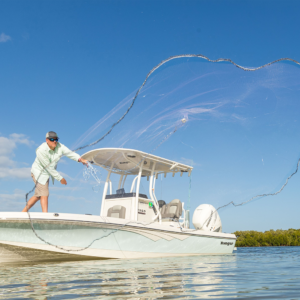
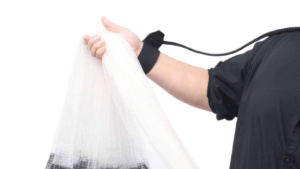
A consistent throw leads to better results than forcing distance. Focus on opening the net fully so it spreads into a clean circle. In shallow water, accuracy is more important than range. A properly opened net that lands directly over the bait will outperform a longer throw that does not open correctly. A properly opened net that lands directly over the bait will outperform a longer throw that does not open correctly. Smooth, controlled motion improves your ability to repeat successful casts and build consistency over time.
Choosing the Right Pilchard Bait Net for Consistent Results
Selecting the right pilchard bait net comes down to using gear that performs reliably across different conditions. Consistency matters when you are gathering bait before fishing.
Net Radius and Coverage Area
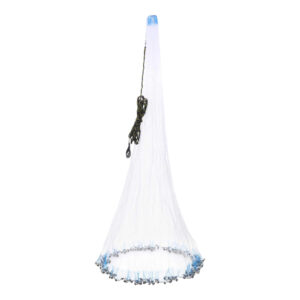
The radius of the net determines how much area you can cover with each throw. Larger nets allow you to capture more bait at once, but they also require more control and experience to throw effectively. A mid-sized net often provides a practical balance — enough coverage to target schools while remaining manageable for repeated throws. Matching the net size to your skill level helps maintain consistent performance.
Durability and Material Quality
Pilchard fishing often takes place near structures such as docks, bridges, and rocky shorelines. These environments are tough on equipment. Nets built with strong materials and reinforced stitching handle repeated use better and maintain their shape over time. A dependable net reduces the need for frequent replacement and keeps your setup ready for each trip.
Cast Net for Bait Fish: How Size and Radius Affect Coverage
Selecting the right cast net for bait fish involves understanding how size and radius influence your results in real conditions.
- Larger radius nets increase the amount of water covered with each throw, which can help capture entire schools of pilchards
- Smaller nets are easier to control and perform better in tight areas such as docks, canals, and shorelines
- Matching net size to your throwing ability improves consistency and reduces incomplete spreads
- Heavier nets with balanced weight distribution support faster sink rates, which is important for active baitfish
- Choosing a net that fits your environment helps reduce missed throws and wasted effort
A net that opens fully and lands accurately will produce better results than one that is difficult to control. Over time, this leads to more consistent bait collection and less time spent searching for workable conditions.
Pilchards are one of the most reliable bait choices for Everglades fishing during the spring months when inshore species are actively feeding. Read our guide on springtime fishing in the Everglades for seasonal tips on using live bait effectively in these waters.
Pilchard Cast Net Weight Distribution and Performance
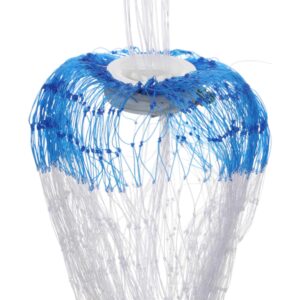
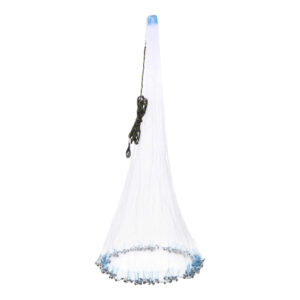
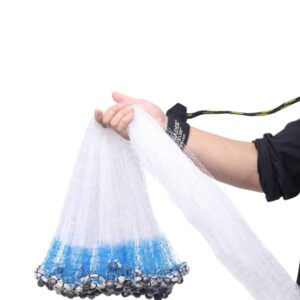
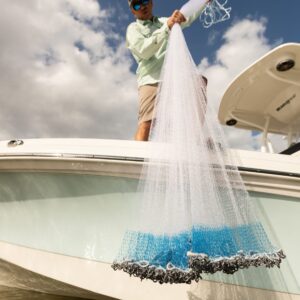
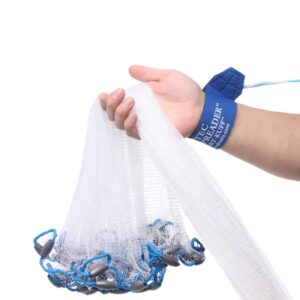
Weight distribution directly affects how a pilchard cast net performs from the moment it leaves your hand to when it closes around the bait. Evenly spaced leads along the bottom of the net allow it to open into a full circle and sink evenly through the water column. This uniform movement is important when targeting pilchards because they react quickly to disturbances. A net that sinks evenly reduces escape points and improves your chances of capturing the entire school.
Proper weighting also helps the net close effectively along the bottom, which keeps bait from slipping out during retrieval. Nets that lack balance tend to collapse unevenly, which leads to missed bait and inconsistent performance. A well-weighted net supports repeatable results — which is exactly what experienced anglers look for in their gear.
How to Catch Pilchards With a Cast Net Along Docks & Piers
Docks and piers are reliable areas to find pilchards because they provide shade, structure, and protection from open water. These conditions attract baitfish throughout the day, especially during low light periods.
Fishing in these areas requires careful positioning and controlled casting. Space is often limited, so accuracy becomes more important than distance. A manageable net size helps reduce the risk of hitting pilings or other obstacles. Pay attention to how the bait moves around the structure and time your cast to land directly over the school. A smooth retrieval is also important to prevent snagging and maintain the condition of your net.
Working around docks and piers is about control and awareness, not speed. Staying patient at first light or near a moving tide makes dockside schools easier to track, letting you set up cleaner throws and avoid crowding fish against nearby structure.
Pilchards are also commonly used as live chum to bring fish to the surface before presenting a fly or lure. Read our article on fly fishing with live chum to understand how live bait collection supports different fishing techniques.
Cast Net for Bait Fish: Selecting the Best Setup for Conditions
The best cast net for bait fish depends on matching your setup to the conditions where you are targeting pilchards. Factors such as water depth, current, and bait movement all influence how your net performs.
In shallow, calm water, a lighter net with smaller mesh can work effectively because it allows for controlled throws and accurate placement. In deeper water or areas with current, additional weight helps the net reach the bait quickly before it disperses. Open water conditions allow for larger nets that cover more area, while tighter environments require smaller, more controlled setups. Adjusting your net based on these factors improves efficiency and helps you gather bait more consistently.
Frequently Asked Questions About The Best Cast Net for Pilchards
What is the best cast net size for pilchards?
A cast net between 6 and 8 feet in radius is a practical choice for most anglers. It provides enough coverage to target schools of pilchards while remaining manageable for consistent throws.
Can you catch pilchards with a larger mesh cast net?
You can, but it is not ideal. Larger mesh allows smaller bait like pilchards to escape, which reduces your overall catch even if your throw is accurate.
What time of day is best to catch pilchards with a cast net?
Early morning and late afternoon are typically the most productive times. Pilchards tend to gather and move closer to the surface during these periods.
Do pilchards stay in the same area or move frequently?
Pilchards move in schools and can shift locations depending on tides, light, and water conditions. Staying observant helps you relocate them quickly.
Is a heavier cast net better for catching pilchards?
A heavier net can improve sink rate, but it needs to remain balanced. Too much weight without proper distribution can affect how the net opens and spreads.
How long does a quality pilchard cast net typically last?
With proper care, a well-built net can last several seasons. Rinsing after use and storing it properly helps extend its lifespan.
Can beginners use a pilchard cast net effectively?
Yes. Starting with a manageable size and practicing proper technique allows beginners to become consistent over time without needing advanced skills.
Do water conditions affect how well a cast net works?
Yes. Wind, current, and water clarity all impact how the net performs and how pilchards behave, which affects your success rate.
Is it better to throw multiple times or wait for the right shot?
Waiting for a well-positioned throw is usually more effective. A clean, accurate cast often produces better results than repeated rushed attempts.
What should you avoid when using a cast net for pilchards?
Avoid throwing into scattered bait or forcing casts from poor positions. This reduces efficiency and increases wear on your gear.